Shopify New York · September 30th, 2025
Black Friday Cyber Monday Bootcamp
A panel and breakouts on getting the site, ads, email and SMS ready for the holiday rush.
See the event
Best-rated digital marketing agency
 Google
4.9
908 reviews
Google
4.9
908 reviews Clutch
4.9
368 reviews
Clutch
4.9
368 reviews G2
4.9
260 reviews
G2
4.9
260 reviewsEcommerce development
Shopify, WooCommerce and Magento stores designed and built by our in-house team: fast product pages, a checkout that doesn’t leak sales, and tracking that shows every order from launch day.
 Forbes AdvisorBest Web Design for Local Businesses
 GoodFirmsTop 10 of 33,000+ Web Design Companies
 DesignRush#5 Web Design Agency in New Jersey
 DesignRushTop 5 Magento Development Agency in the US
 Clutch#1 E-commerce Marketing Company in the US
 ShopifyPartner
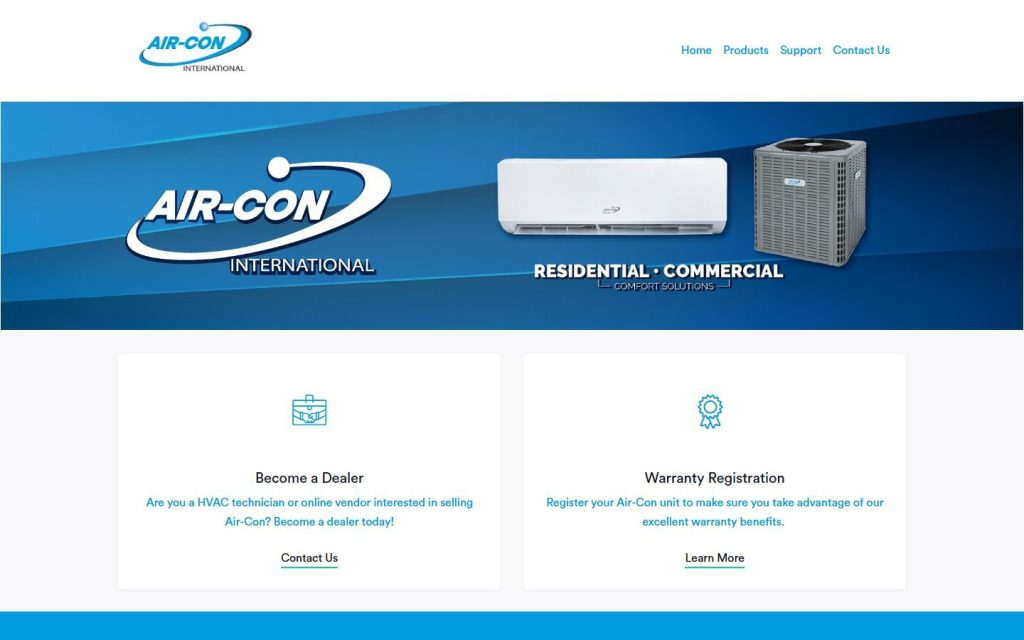
 “The new shopify website has doubled sales each year since it launched.”
Daniela Maldonado, Air-Con International
“The new shopify website has doubled sales each year since it launched.”
Daniela Maldonado, Air-Con International
 “My “Becker Pump” E-Commerce site is by far, in my opinion, “BEST IN CLASS” beyond a shadow of a doubt.”
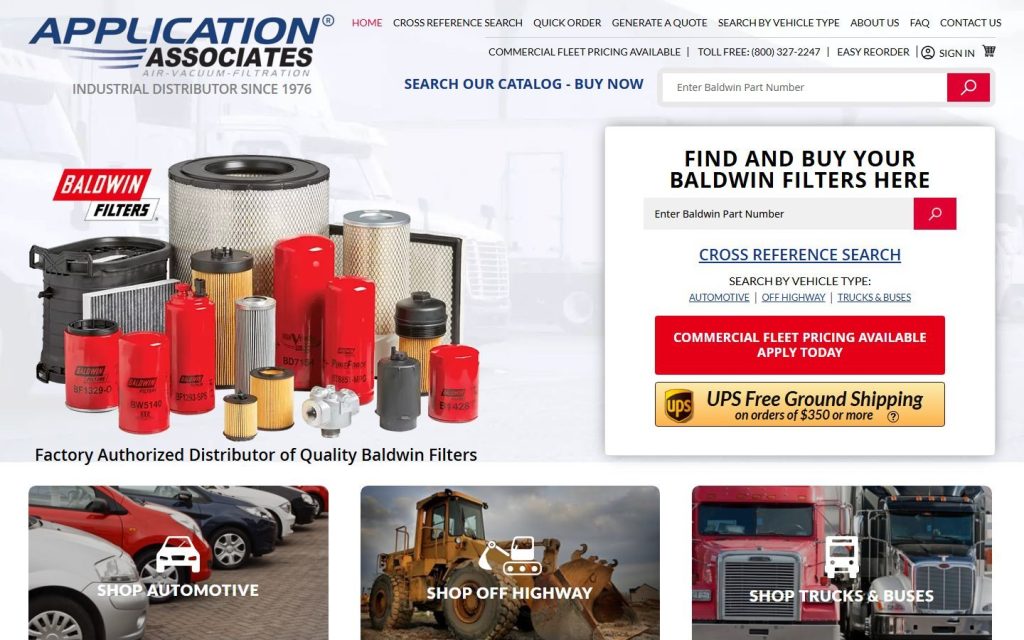
 Ed Murcia, Application Associates
 “They then developed our e-commerce website using Magento. They’ve integrated Stripe for payment processing and ShipEngine to allow our users to get shipping rates.”
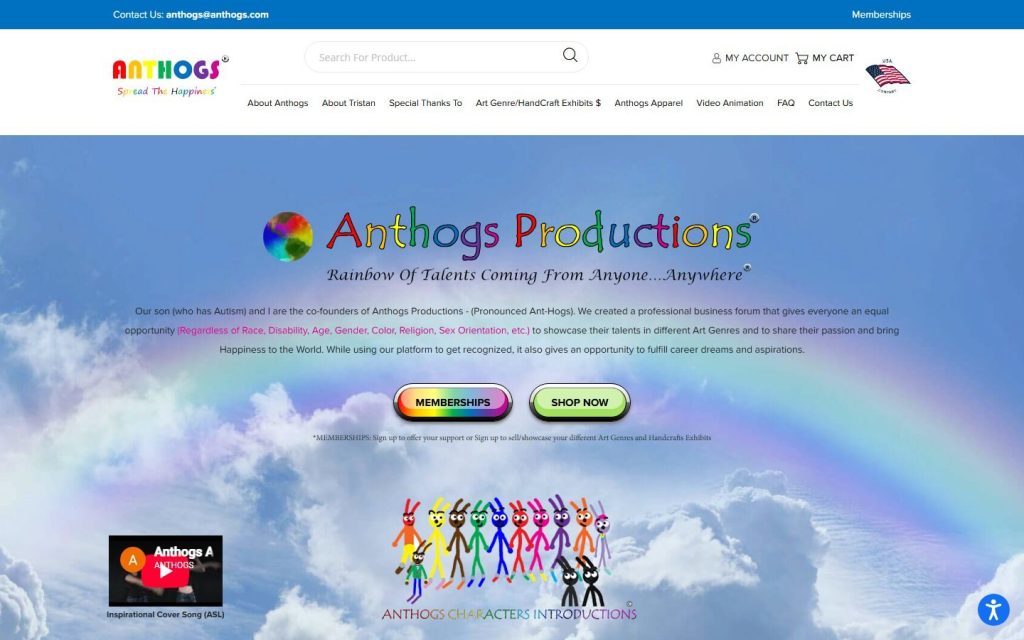
Alex DeLeon, Anthogs Productions
“They then developed our e-commerce website using Magento. They’ve integrated Stripe for payment processing and ShipEngine to allow our users to get shipping rates.”
Alex DeLeon, Anthogs Productions
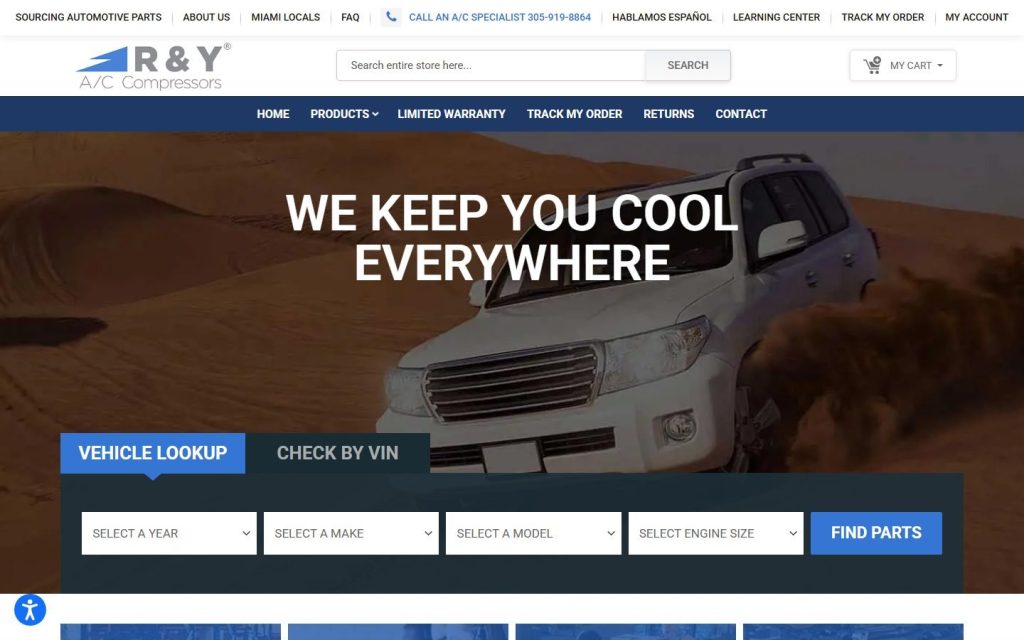
 “I came to SmartSites in November 2017 with the goal of building a fully functioning e-commerce website. A major factor in my decision to approach SmartSites was that they not only design websites, but also provide the necessary marketing services for websites.”
Jacob Shaked, R & Y A/C Compressors
“I came to SmartSites in November 2017 with the goal of building a fully functioning e-commerce website. A major factor in my decision to approach SmartSites was that they not only design websites, but also provide the necessary marketing services for websites.”
Jacob Shaked, R & Y A/C Compressors
 “To their credit they worked diligently with us to learn and understand our business, and then used that knowledge to develop a dynamic and responsive web site that creatively communicates our competitive tentpoles.”
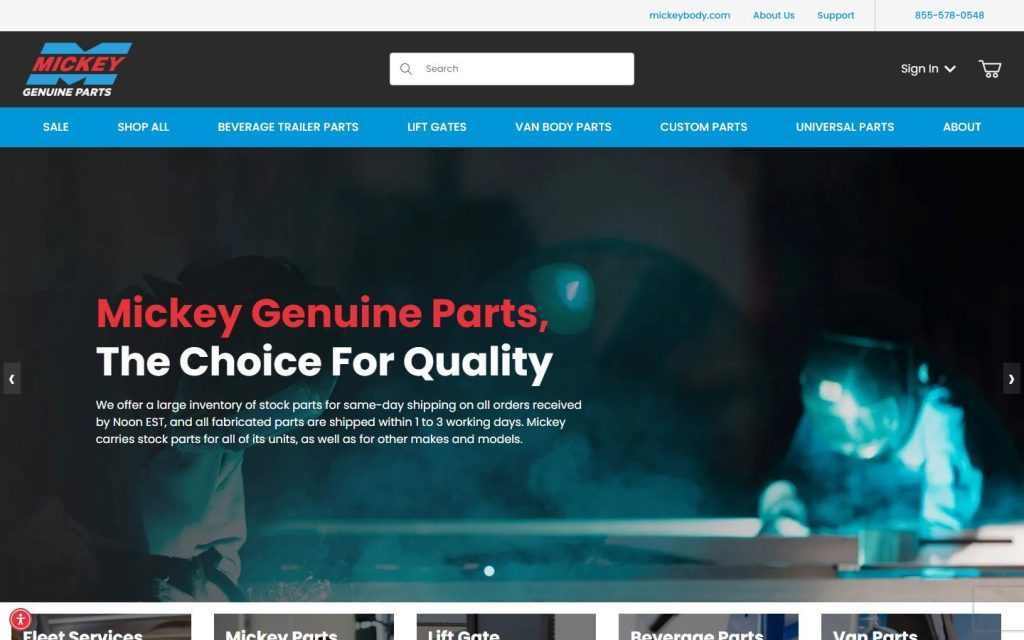
Timothy Davis, Mickey Truck Bodies
“To their credit they worked diligently with us to learn and understand our business, and then used that knowledge to develop a dynamic and responsive web site that creatively communicates our competitive tentpoles.”
Timothy Davis, Mickey Truck Bodies
 “The website and logo looks modern, professional and most of all user friendly. I can’t say enough how happy I am with the end result”
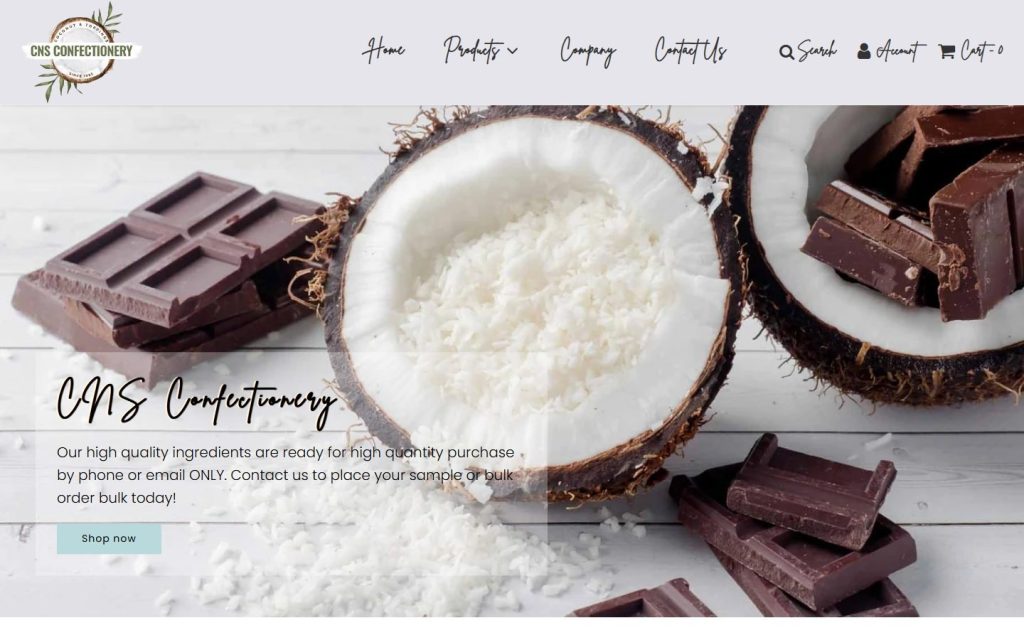
 Miriam Gross, CNS Confectionery
 “From setting up my website to fine-tuning its performance, SmartSites was with me every step of the way. I’m happy to report a significant increase in both website traffic and sales – the numbers speak for themselves!”
Thelightwalk Shop, The Light Walk Shoes
“From setting up my website to fine-tuning its performance, SmartSites was with me every step of the way. I’m happy to report a significant increase in both website traffic and sales – the numbers speak for themselves!”
Thelightwalk Shop, The Light Walk Shoes
 “SmartSites has been a game-changer for our Shopify Store”
Mitch H., Essential Electric Supply
“SmartSites has been a game-changer for our Shopify Store”
Mitch H., Essential Electric Supply
 “Since teaming up with them, we’ve seen a big boost in our online sales and way more people checking out our website.”
John Hardwicke, Arrowcraft Products
“Since teaming up with them, we’ve seen a big boost in our online sales and way more people checking out our website.”
John Hardwicke, Arrowcraft Products
 “SmartSites improved sales on our website tremendously.”
Felix Sansone, Times Square Lighting
“SmartSites improved sales on our website tremendously.”
Felix Sansone, Times Square Lighting
 “Over the period of a year, SmartSites tripled - repeat - tripled our traffic!”
Arthur Berkell, Perfect Makeup Mirrors
“Over the period of a year, SmartSites tripled - repeat - tripled our traffic!”
Arthur Berkell, Perfect Makeup Mirrors
 “Definitely improved traffic and sales on my online store.”
Rachel Patton, Taylor’s Leatherwear
“Definitely improved traffic and sales on my online store.”
Rachel Patton, Taylor’s Leatherwear
 “We needed an update and theme change to restore functionality to our site and after talking with numerous design companies we decided on SmartSites.”
Matt Troeller, OBAR Systems
“We needed an update and theme change to restore functionality to our site and after talking with numerous design companies we decided on SmartSites.”
Matt Troeller, OBAR Systems
 “They have taken our website in directions we never could have gotten on our own”
Perry Goldstein, Marshall Electronics
“They have taken our website in directions we never could have gotten on our own”
Perry Goldstein, Marshall Electronics
Design, development, integrations and the marketing that fills the store, from one team that answers for the sales.
Platforms
What a build covers

Custom Shopify themes and stores for brands that want to sell quickly and manage the store themselves. We design the theme around your products, set up collections, apps, payments and shipping, and keep the store fast as it grows.

WooCommerce puts your store and your content on one WordPress site you fully own, with no platform fees on each sale. We build custom WooCommerce themes and product setups, and keep plugins lean so the store stays fast.

Magento (Adobe Commerce) handles thousands of SKUs, large parts catalogs, customer groups, B2B pricing and multiple store views. We design and build Magento stores that stay fast and easy to search however large the catalog gets.
Clear product photos, prices, stock and delivery details, reviews and trust badges where shoppers look for them, and navigation that gets them from a search to the right product in a few taps.
Payment gateways, live shipping rates, sales tax, inventory and ERP or CRM syncs are built and tested before the store opens, so orders flow from checkout to fulfilment without manual work.
A clean Merchant Center feed puts your products in Google Shopping and free listings from day one, and your Client Hub shows which products win clicks and sales.
Already on PrestaShop, OpenCart, osCommerce, Volusion or Zen Cart? We audit, fix and replatform — usually to Shopify or WooCommerce, with a redirect for every old URL so your rankings come with you.

Clean URLs, product schema, fast templates and a page-by-page redirect plan when you move platforms, so a new store keeps the rankings you earned and is ready to grow them.




































An online store has to sell on its own, day and night, so we build every store around the path from product page to paid order. Our in-house designers, front-end and back-end developers and QA testers plan the catalog structure, product and category templates, search and filters, cart and checkout together, then connect payments, shipping rates, taxes, inventory and product feeds before launch. We build on Shopify, WooCommerce and Magento and pick the platform that fits your catalog, your margins and how you sell, from a few hundred products to catalogs with thousands of parts. Stores launch fast, mobile-first and SEO-ready, with structured data, clean URLs and redirects that keep the rankings you already earned, and ecommerce tracking is live from the first order. Because the same agency runs your SEO, Google Shopping, paid social and email, the store is ready for the traffic those channels send it, and your Client Hub shows the revenue each one brings in. In the last two years alone we set up purchase tracking for 150+ online stores, so every order is tied to the channel that earned it.
Store
Store
 Store
Store
 Store
Store
 Store
Store
Store
Store
Store
Store
 Store
Store
 Store
Store
 Store
Store
Store
Store
 Store
Store
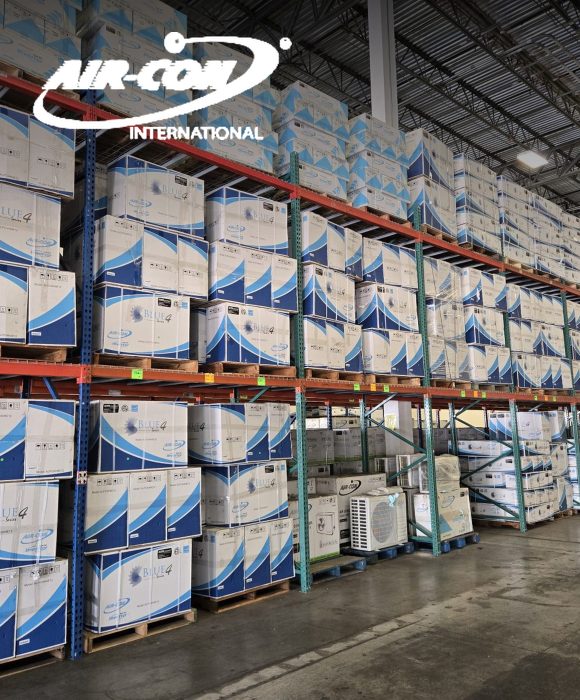 +1,989%more revenue
Manufacturing · Air-Con International
+1,989%more revenue
Manufacturing · Air-Con International
 +1,299%more revenue
Auto Parts · R & Y A/C Compressors
+1,299%more revenue
Auto Parts · R & Y A/C Compressors
 +3,172%more revenue from SEO
Gifts & Personalization · Coin Exchange NY
+3,172%more revenue from SEO
Gifts & Personalization · Coin Exchange NY
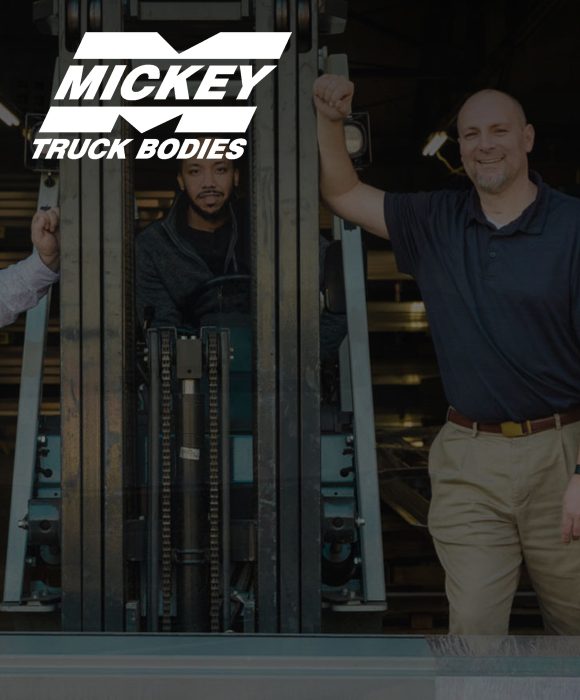 +1,550%more organic site traffic
Manufacturing · Mickey Truck Bodies
+1,550%more organic site traffic
Manufacturing · Mickey Truck Bodies
 +135%higher ROAS
Distributors & Suppliers · Application Associates
+135%higher ROAS
Distributors & Suppliers · Application Associates
 +91%more revenue
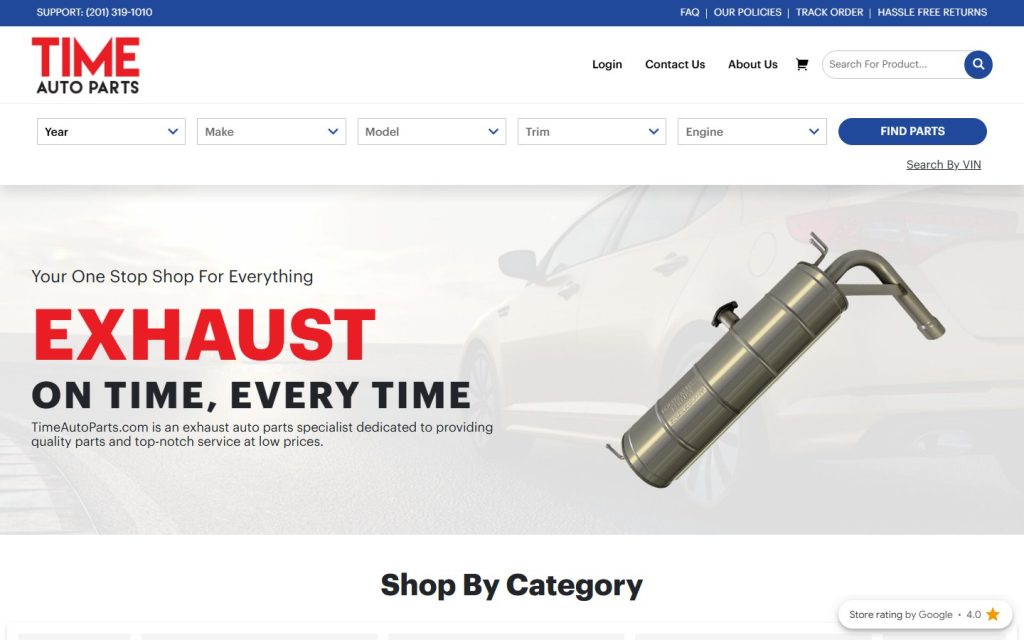
Auto Parts · Time Auto Parts
+91%more revenue
Auto Parts · Time Auto Parts
 +94%more organic search traffic
Gifts & Personalization · Plant Guru
+94%more organic search traffic
Gifts & Personalization · Plant Guru
 +756%more total site traffic
Landscapers · Fitz's Fish Ponds
+756%more total site traffic
Landscapers · Fitz's Fish Ponds
 +740%more organic site traffic
Pet Shops · Multipet International
+740%more organic site traffic
Pet Shops · Multipet International
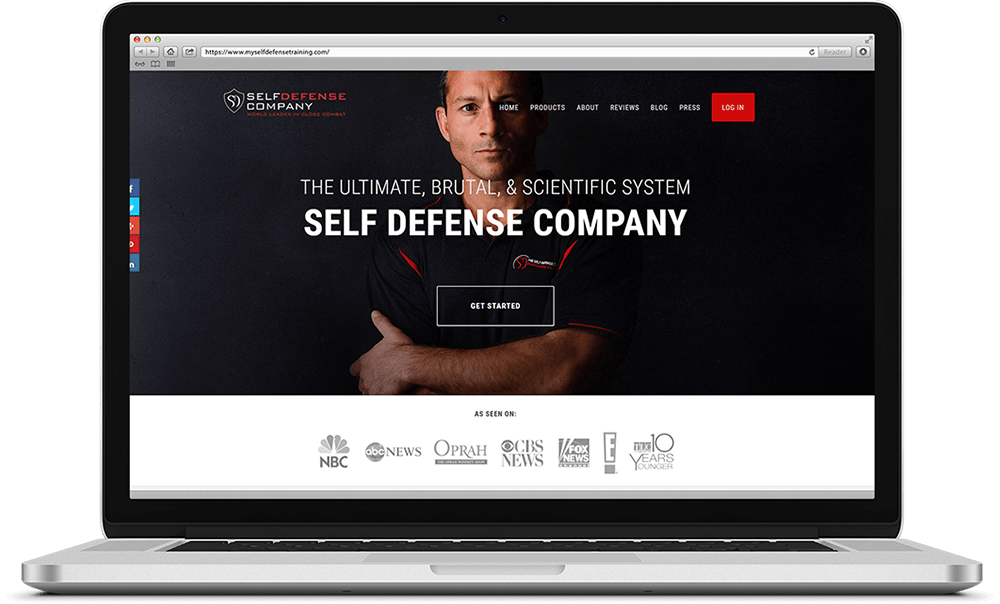
 +46%more conversions
Specialty Education · The Self Defense Company
+46%more conversions
Specialty Education · The Self Defense Company
 +35%more CTR
Medical Products · Medi-Corp
+35%more CTR
Medical Products · Medi-Corp








































Talks, panels and a day-long summit at Shopify’s New York space, on holiday sales, ecommerce ads and what growing 1,000+ online stores has taught us.
Shopify New York · September 30th, 2025
A panel and breakouts on getting the site, ads, email and SMS ready for the holiday rush.
See the event Video
Video
Shopify New York · April 8th, 2025
What helping 1,000+ ecommerce brands grow taught us about SEO, ads, email and retention.
Watch the talk
Shopify New York · October 24th, 2024
A holiday-revenue panel with IgnitePost, Fairing, Grey Journal, Highland and Dash.fi.
See the event Video
Video
Shopify New York · July 10th, 2024
Audiences, creative, product data and reporting for ecommerce ads, from Meta to Microsoft.
Watch the talkKnow what your store earns: sessions, conversions and revenue by channel, the products that win in Google, and a crawl that flags broken pages before shoppers find them.


A Shopify retheme starts at $5,000, and a new Shopify store starts at $10,000. Stores on other platforms are quoted after a review. The final price depends on how many product types and page templates it needs, the integrations it connects to and whether we are moving products from an older store. We quote one flat fee for the agreed scope, which can be split into 2 to 4 payments. Stores we host, such as WooCommerce and Magento, include three months of hosting and maintenance free after launch; Shopify hosts its own stores. Copywriting for product and category pages is available at an additional cost. Get a free ecommerce proposal.
Everything a store needs to take and fulfill orders. That covers store design and product pages, the catalog structure, category templates, search and filters, plus the cart and checkout. Before launch we also connect payment gateways, live shipping rates, sales tax, inventory and any ERP or CRM syncs. Every store launches mobile-first with ecommerce tracking live from the first order, so every sale is tied to the channel that earned it.
A simple store can launch in as little as 4 to 6 weeks, while a custom ecommerce store can take 4 to 6 months. The biggest factors are the size of your catalog, custom features and integrations, how much product data has to move from your old store, and how quickly feedback and approvals come back. You get a timeline with milestones before the build starts. All work happens in a private development space, where you can test a working store before anything goes live.
It depends on your catalog, how you sell and who will run the store day to day. Shopify suits brands that want to launch quickly and manage the store themselves, and we are a Shopify Partner. WooCommerce puts the store and your content on one WordPress site you fully own, with no platform fees on each sale. Magento (Adobe Commerce) suits thousands of SKUs, large parts catalogs, B2B pricing and several store views. We recommend a platform once we understand your products, margins and growth plans.
That is what every store move is planned around. We move products, categories and content, map every old URL to its new page in a redirect plan, and check rankings and crawl errors after launch, so shoppers and search engines land in the right place. Some short-term movement is normal while Google recrawls the new store. If your store is still on an older cart such as PrestaShop, OpenCart, osCommerce, Volusion or Zen Cart, we can audit and fix it or move it to Shopify or WooCommerce.
Yes. Every store we build launches with clean URLs, product schema, fast templates, mobile layouts and a Merchant Center-ready product feed, so your products can show in Google Shopping and free listings from day one. If you want help growing traffic after launch, the same team runs ecommerce SEO, Shopping ads and email marketing.
Ecommerce tracking is set up before launch, and your Client Hub shows sessions, conversions and revenue by channel. It also shows which products win clicks in Google and a regular crawl that flags broken pages before shoppers find them. It is all in plain language and live 24/7.