The Power Of Dwell Time: What It Is And Why It Matters In SEO

Chad Faith
Director of Content
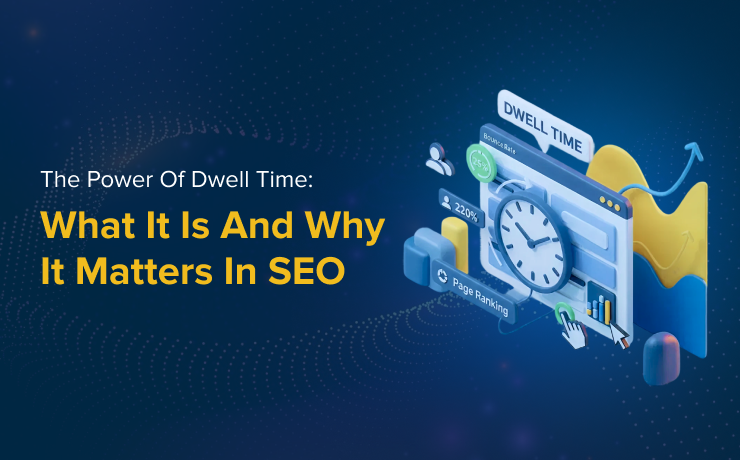
When someone clicks on your website from Google’s search results, the clock starts ticking. The length of time that passes before they return to that search page to pick another result is known as dwell time in SEO. Think of it as a visit’s duration from the search engine’s perspective.
A longer dwell time generally suggests the visitor found your page useful and engaging, while a short one can indicate the content was not what they wanted. This metric has become a crucial piece of the user experience puzzle that Google tries to solve.
For us at SmartSites, optimizing for a good dwell time in SEO is about creating a website experience that captures and holds interest from the very first click.
Why Dwell Time Matters to Search Engines
Google’s ultimate goal is to provide the best possible answer to a searcher’s query. Dwell time acts as a powerful, indirect feedback signal. If users consistently click on your result and quickly hit the back button (a phenomenon known as “pogo-sticking”), Google may interpret this as a sign that your page was not helpful. Over time, this can lead to a drop in rankings for that search term.
Conversely, if users click through and stay on your page, reading an article, watching a video, or interacting with a tool, it signals satisfaction. This positive feedback can reinforce your page’s value, helping it maintain or even improve its position. It is not a direct ranking factor you can “hack,” but a natural outcome of creating genuinely useful content and a good web design that keeps people engaged.
How to Create Content That Holds Attention
Improving dwell time in SEO is not about tricking users to stay longer; it is about earning their attention by fully satisfying their search intent. Here are key focus areas:
- Match the Promise of the Headline: Ensure your page content directly and thoroughly addresses the topic or question hinted at in your title and meta description. Avoid misleading “clickbait.”
- Improve Readability: Use clear headings, short paragraphs, bullet points, and relevant images to make content easy to scan and digest. A wall of text encourages visitors to leave.
- Enhance User Experience (UX): A fast-loading, mobile-friendly, and easy-to-navigate site is essential. Slow speeds or a clunky layout will drive users away, regardless of content quality.
By focusing on these elements, you create an environment where a visitor is more likely to stay, read, and engage. A strategic approach to search engine optimization understands that these on-page quality factors are what naturally lead to better dwell time and stronger rankings.
Building a Site That Encourages Exploration
Keeping a user on a single page is good, but encouraging them to explore your site is even better. Smart internal linking is your best tool here. By linking to other relevant articles, service pages, or resources within your content, you give interested visitors a clear path to continue their journey on your site. This not only increases overall session duration but also helps search engines understand the depth and structure of your content.
At SmartSites, we build websites with these engagement principles at their core. We focus on creating intuitive layouts and compelling content pathways that guide visitors naturally from one piece of valuable information to the next, directly supporting positive SEO signals.
Your Next Step: Audit for Engagement
A practical way to start is to review your analytics. Identify pages with high traffic but low average time on page. Read that content critically: Is it truly comprehensive? Is it easy to read? Could internal links be added? Improving these pages can have a direct impact. For a professional analysis of your site’s user engagement signals and a tailored strategy to improve them, consider our search engine optimization services to strengthen your foundational SEO.
 Free
Consultation
Free
Consultation Free
Google Ads Audit
Free
Google Ads Audit