SEM Vs. SEO: Key Differences Explained

Clement Foo
Senior Digital Content Manager
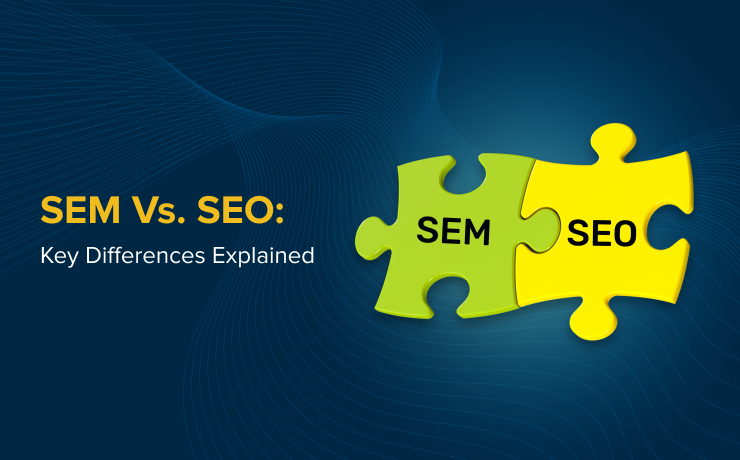
Search still drives buyer intent, but SEM vs. SEO calls for different tactics and timelines. SEO builds organic visibility through content and technical improvements, while SEM buys immediate placement with paid ads. Knowing when to lean into each helps match traffic goals, budgets, and deadlines.
What SEM and SEO Mean
SEO focuses on improving rankings in organic results through content, on‑page optimization, links, and technical health. SEM covers paid search placements like Google Ads along with broader search marketing tactics that drive visibility fast. Both aim for qualified traffic, but the approach and spending differ.
Cost, Speed, and Control
SEO compounds over time and does not charge per click, but it needs consistent publishing and optimization to gain momentum. SEM can launch quickly with budget controls and keyword targeting, yet traffic stops when spending pauses. Think of SEO as an asset and SEM as a tap that turns on demand.
When SEM Shines
- New sites needing exposure fast.
- Seasonal pushes, launches, and time‑bound offers.
- Testing messaging, keywords, and landing pages before scaling content.
- Winning visibility on highly competitive terms where organic positions are slow to earn.
When SEO Wins
- Building durable visibility and brand authority.
- Capturing evergreen demand with helpful content hubs.
- Lowering blended acquisition costs over months and years.
- Defending core informational and commercial queries with trusted pages.
Core SEO Tactics
- On‑page improvements across titles, headings, internal links, and schema.
- Content that solves searcher tasks, supported by topic clusters and FAQs.
- Technical health: crawlability, speed, mobile readiness, and site architecture.
- Authority growth with quality backlinks and consistent interlinking.
Core SEM Tactics
- Keyword research mapped to match types and intent buckets.
- Tight ad groups with relevant copy, extensions, and strong landing pages.
- Bidding strategies that balance CPA, ROAS, and volume targets.
- Ongoing optimization: negatives, audience layering, and creative tests.
Measuring Impact
SEO leans on impressions, rankings, non‑brand clicks, and assisted conversions to show compounding gains. SEM tracks impression share, quality score, CPC, CTR, conversions, and ROAS to tune efficiency. For a full view, align both to shared attribution and consistent UTM hygiene.
Smart Mix: SEO and SEM Marketing Together
Run SEM to capture high‑intent terms now, while SEO builds moat pages around those topics for future savings. Use ad data to discover profitable keywords and angles, then fold winners into content plans. As organic traffic grows, rebalance spending toward new tests and competitive gaps.
Win More Search with SmartSites
Outsmart competitors with a balanced plan for SEM and SEO. At SmartSites, we build high‑impact campaigns across paid search and organic content so brands capture demand now and grow durable visibility over time. From keyword research and ad testing to technical fixes and content hubs, our team focuses on lower CPAs, higher ROAS, and compounding non‑paid traffic.
Ready to align SEM and SEO under one strategy and lift total ROI? Book a strategy call with SmartSites and get a roadmap tailored to goals and timelines.
 Free
Consultation
Free
Consultation Free
Google Ads Audit
Free
Google Ads Audit