Clutch
 G2

The automotive industry is as competitive as ever. Vehicles are expensive purchases, so shoppers expect a site that is polished, fast and easy to use before they ever visit a showroom. If you own or manage an automotive business and want to build or redesign a website, here are five automotive websites worth studying for design inspiration. Brand sites are redesigned often, so treat these as lessons in approach rather than a snapshot of how each looks today.
Two sites from our original list, the Formula 1 history page and the Hyundai Veloster microsite, are no longer available at their old addresses, so we have removed them.
Jeep: let great vehicles and simple design do the work
Jeep is a well-known American brand with some of the most recognizable vehicles in the world, so it would be a waste if its website did not look as good as the vehicles do in real life. The Jeep site makes its point with an attractive design that avoids an excessive number of colors, and it shows the most popular models front and center against a fitting background.
Takeaway: Put your best-selling or most popular vehicles up front, and let strong photography carry the page.
Dodge: bold visuals and detailed vehicle pages
Dodge is known for performance-oriented muscle cars and SUVs, and its website is built to match. It features a striking home page, large full-screen imagery and detailed information on each vehicle, so visitors can move from the first impression to the specifics without friction.
Takeaway: Pair big, confident visuals with detailed model pages that answer the questions buyers actually have.
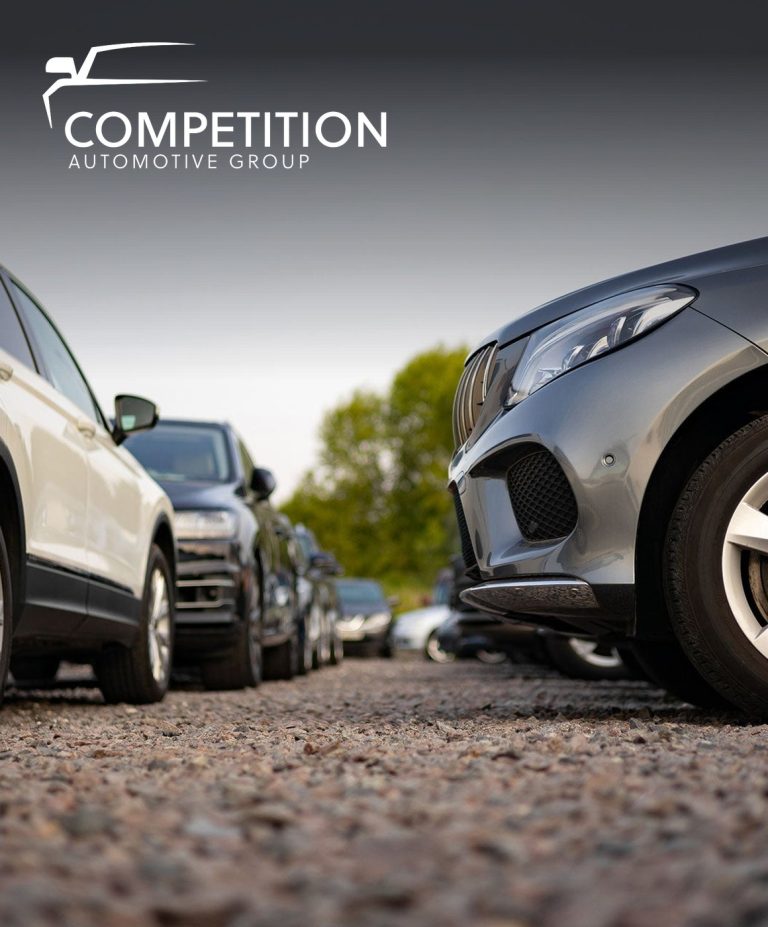
Mercedes-AMG: full-screen imagery without distraction
Are you a performance car lover? If you want inspiration from awesome automotive website designs, the Mercedes-AMG site is worth a look. Its design uses large, full-screen imagery to show off its vehicles. The creators understand that visitors want to look at the cars without distraction, so the experience is built around giving the images room to breathe.
Takeaway: Give visitors a distraction-free way to view your vehicles, and make sure large images are compressed so pages still load quickly.
BMW: an image-heavy approach with a clear brand idea
Also known as Bayerische Motoren Werke AG, BMW is a German luxury brand founded in 1916. Its international site has long stayed true to the brand’s identity, borrowing visual cues from the company logo. It is also a good model of an image-heavy approach for automotive websites.
Takeaway: Draw your design from your brand’s identity, and use imagery to carry the story.
Bond Cars: a themed page with real storytelling
Quantum of Solace, GoldenEye, Licence to Kill. What gets people talking most? Partly the villains and the gadgets, but largely the cars. This themed page features the cars driven by James Bond over the years and tells their story in an engaging way. If you like animation and scrolling effects, it is a good example of using motion to hold attention.
Takeaway: A story built around your vehicles can attract visitors who are not ready to buy yet.
Make your own automotive website work as hard as these
Looking across these sites, the common elements are strong imagery, clear navigation and a design that reflects the brand. For a dealership or repair shop, add what shoppers need to take the next step: inventory or service pages, clear pricing guidance, reviews, online scheduling and a click-to-call button on mobile. Great website design can make the difference between a visitor who browses and a customer who calls.
“We've seen substantial growth in organic traffic, non-branded search visibility, and overall digital engagement since working with them.”
 Danielle ColucciToyota of Stamford