
Quick Summary
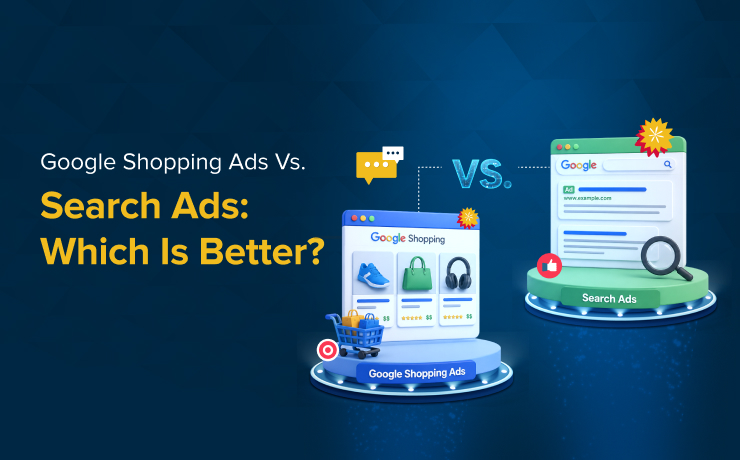
When comparing Google shopping ads vs. search ads, businesses must understand how each format supports different marketing goals. Google shopping ads focus on visual product promotion, while Google search ads rely on text-based messaging and keyword targeting. Choosing the right option depends on your products, audience behavior, and conversion objectives. In many cases, combining both strategies delivers the strongest performance.
Understanding Google shopping ads vs. search ads is essential for businesses looking to maximize visibility and return on ad spend. Both advertising formats appear within Google search results, but they function differently and target users at different stages of the buying journey. Google shopping ads are designed to showcase products visually, while Google search ads focus on text-driven messaging that targets specific search intent.
What Are Google Shopping Ads?
Google shopping ads display products directly within search results using images, pricing, product titles, store names, and reviews. These ads pull information from a product feed connected through Google Merchant Center and are especially effective for e-commerce businesses.
One major advantage of Google shopping advertisements is their visual presentation. Shoppers can immediately compare products, prices, and brands before clicking. This often leads to higher purchase intent because users already understand what the product looks like and how much it costs.
What Are Google Search Ads?
Google search ads are text-based advertisements triggered by targeted keywords. These ads typically appear at the top and bottom of search engine results pages and are commonly used to generate leads, website traffic, and conversions.
Unlike shopping ads, Google search ads allow businesses to create customized messaging that aligns with user intent. Advertisers can highlight promotions, unique selling points, service offerings, and calls to action directly within ad copy.
Which Ad Type Performs Better?
The answer depends largely on business goals and industry type. For e-commerce brands selling physical products, Google Shopping ads often generate stronger conversion rates because users can see products immediately before clicking.
However, Google search ads may outperform shopping ads when businesses need to explain services, communicate trust signals, or target high-intent keywords with persuasive messaging.
How to Choose the Right Strategy
Businesses should evaluate several factors before deciding between Google shopping ads vs. search ads. Product-based businesses with competitive pricing and strong visuals may benefit heavily from shopping campaigns. Service-oriented businesses may rely more on search ads to communicate expertise and value.
Budget allocation also matters. Shopping campaigns require optimized product feeds and inventory management, while search campaigns require ongoing keyword research and ad optimization.
FAQs
What is the difference between Google Shopping Ads and Google search ads?
Google shopping ads use product images and pricing information, while Google search ads rely on text-based copy and keyword targeting.
Are Google shopping ads better for e-commerce?
Yes, Google shopping ads are often more effective for e-commerce because they visually showcase products and attract high-intent shoppers.
Can businesses use both Google Shopping Ads and Google search ads together?
Yes, many businesses combine both formats to improve visibility, target different search intents, and maximize advertising performance.
Want to improve your paid advertising strategy and generate more conversions? SmartSites PPC advertising services help businesses build high-performing Google Shopping ads and Google search ads campaigns designed to increase traffic, sales, and ROI. Give us a call today to learn more about our services!
 Free
Consultation
Free
Consultation Free
Google Ads Audit
Free
Google Ads Audit