Clutch
 G2

A shopper in your market opens ChatGPT and types: “I have two kids and a long commute. What’s the most reliable three-row SUV under $40,000, and who has one near me?” They get an answer. It names three models and, if they ask, two or three dealerships. Yours is either in that answer or it is not, and nothing on page one of Google changes that.
That is the whole case for generative engine optimization, or GEO, in one paragraph. Over the past 18 months we have been measuring what actually moves a business into those answers, across SmartSites’ 1,000-plus clients and several hundred dealership accounts. I wrote 60 pages on it for the second edition of Automotive Search Marketing, and I have put the key chapters online free. This post is the short version for a dealer principal or marketing director who wants to know what to do first.
What GEO is, and what it is not
GEO is the work of making your dealership something AI engines retrieve, trust and cite when they build an answer. That includes Google’s AI Overviews and AI Mode, ChatGPT, Gemini, Microsoft Copilot and Perplexity. Where SEO is about ranking in a list of links, GEO is about being inside the answer.
It is not a new discipline you buy separately. The AI engines learn about your store from the same web Google crawls: your website, your Google Business Profile, your reviews, and the lists and articles that mention you. For anything current or local, a model like ChatGPT runs live searches behind the scenes and paraphrases what it finds. You cannot optimize the model. You can absolutely optimize the sources it reads. That is why SmartSites does not sell GEO as a standalone product; it is an extension of SEO, done with a few new emphases. (If a vendor pitches you GEO instead of SEO, or guarantees a “ranking” in ChatGPT, that tells you what you need to know. There is no number one on ChatGPT. The same question asked 100 times returns different answers every time.)
I go into the vocabulary and mechanics in What Is AI Search? and the GEO explainer on my site, so I will not repeat them here.
What the data says dealers are getting wrong
Three numbers from our accounts shape everything that follows.
92 percent of the organic click decline came from one content type. Across dozens of dealership websites with more than a year of Search Console history, almost the entire year-over-year drop in organic clicks came from informational how-to pages: “how to check tire pressure,” “what does the check-engine light mean.” Those pages actually improved their average rankings while their click-through rate fell from about 2.1 percent to 1.4 percent, because AI Overviews now answer the question on the results page. Commercial and local pages were flat to growing. If your content budget is still going to generic how-to articles, that money is funding Google’s AI Overview, not your store.
Your analytics are hiding the AI traffic you already get. Across roughly 1,500 client GA4 properties, Direct sessions rose about 66 percent year over year, and the rise was identical whether or not we manage the client’s SEO. That uniformity is the giveaway: it is a measurement artifact. When someone clicks out of an AI Overview, AI Mode or ChatGPT, the referrer is usually stripped and GA4 files the visit as Direct. If “AI traffic” in your reports looks like a rounding error, look at new visitors landing deep on inventory and research pages from Direct. Real type-in traffic goes to your homepage.
FAQ schema alone does nothing for citations. We compared 500 client sites carrying FAQ structured data against 500 without. There was no statistically significant difference in how often AI engines cited them. We still add the markup because it is cheap hygiene, but it is not the lever. The levers were answering the question in the first sentence, clear business-entity information, and mentions on third-party sites. The full datasets, with sample sizes and methods, are on my AI search research page.
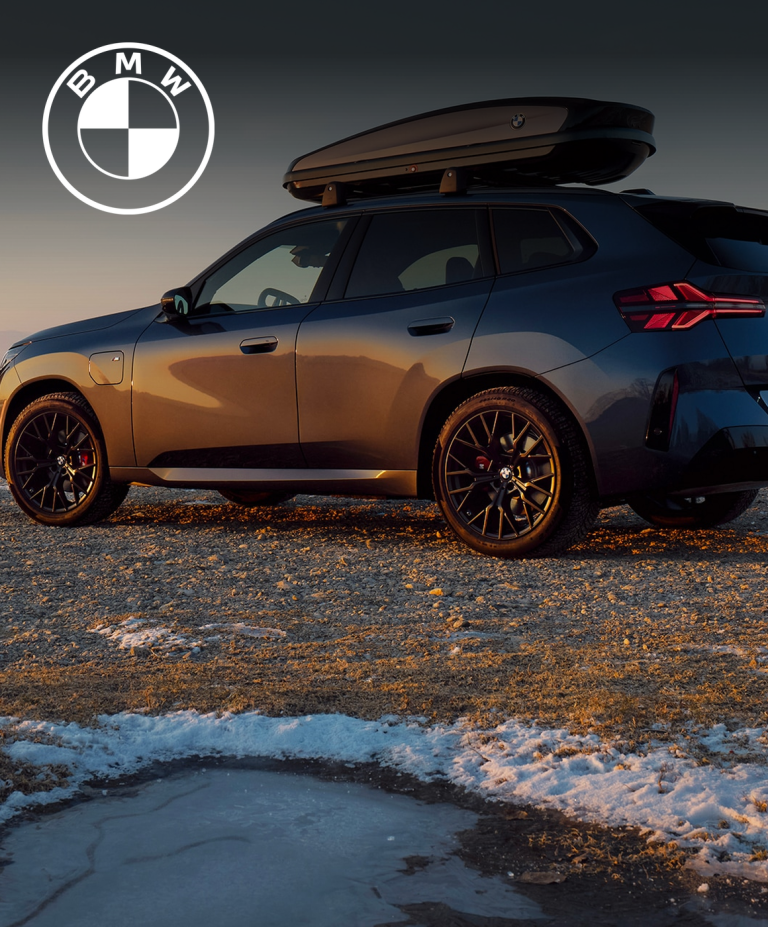 465% Increase in organic conversionsBMW Dealership Boosts Conversions by 5xSee the case study →
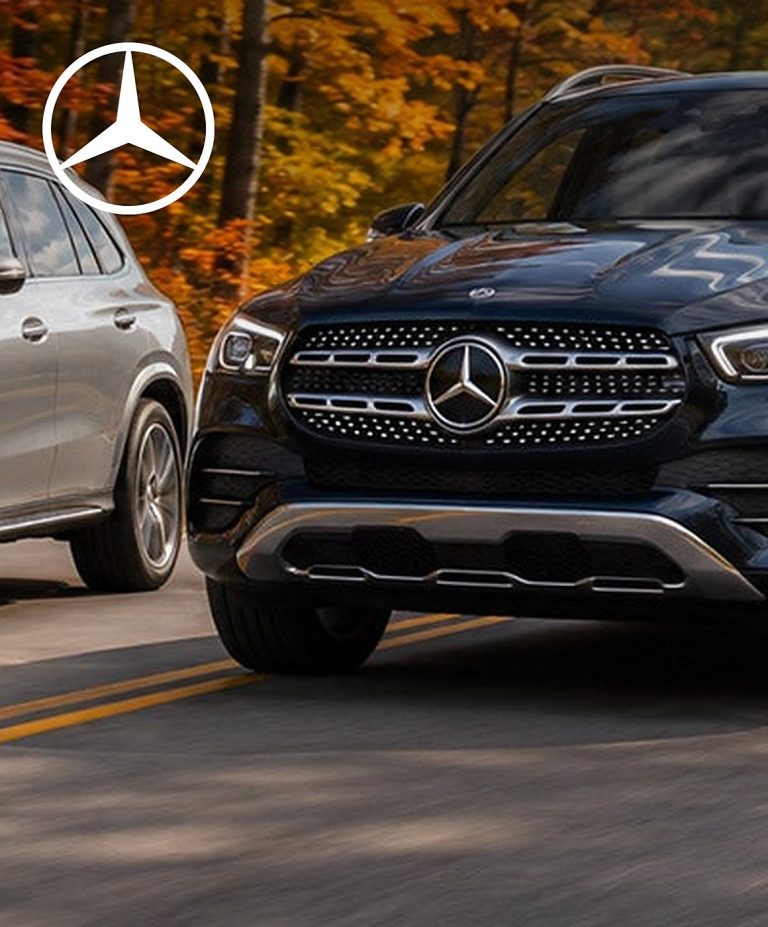 4220% Increase in organic conversionsSmithtown Mercedes-Benz Dealership Drives Conversions by 43xSee the case study →
The dealership GEO playbook, in priority order
This is the seven-move list from the GEO chapter of the book, which you can read free in full. Here is each move with the dealer-specific reason behind it.
1. Let the AI crawlers in. GPTBot, ClaudeBot, PerplexityBot and Google-Extended read the web for the AI companies. Some website platforms and IT policies block them by default. Check your robots.txt today. Blocking AI crawlers in 2026 is the equivalent of asking Google not to index your site in 2010. (You will also hear about llms.txt. Google has said it is not needed for any of its AI features. It is harmless and takes minutes; never pay for it.)
2. Answer the question in the first sentence. AI engines extract and cite passages that answer directly. Every page should lead with the number, the verdict or the recommendation, then explain. Question-style headings and self-contained sections measurably raise citation rates.
3. Build the content that wins now. Two formats keep earning AI citations for our dealer clients: numbered buying guides (“7 best used Highlander model years for reliability”) and vehicle attribute pages that open with the exact figure a shopper wants (“2026 Suburban cargo space”), followed by a spec table and a link to matching inventory. Then there is the category nobody can copy: pages built on your first-party data. Real lease numbers dated to the month, state-specific lease-tax explainers, the most popular trims you actually sold in your city. When you publish numbers that exist nowhere else, the AI has no choice but to cite you.
4. Make sure the AI can read your inventory. Most large language models do not execute JavaScript, and dealership inventory and vehicle detail pages are some of the most JavaScript-heavy pages on the internet. Ask your website provider two questions: is our vehicle data server-rendered or JavaScript-rendered, and what does a VDP look like to a crawler that does not run JavaScript? Back it up with vehicle, FAQ and AutoDealer schema and a clean Merchant Center feed. Feed quality increasingly decides whether AI shopping experiences can show your cars at all.
5. Get on the lists. The number-one expert-ranked AI visibility factor in the 2026 Whitespark Local Search Ranking Factors survey is presence on curated “best of” lists. When a shopper asks for the best dealerships in a metro, the AI is synthesizing from published lists, local press and directories. This is digital PR aimed at a new target: local business journals, “best dealerships” roundups, community coverage.
6. Treat reviews as AI fuel. AI assistants read and summarize review text when recommending businesses. “Customers consistently mention the no-pressure sales process” in an AI answer comes from actual reviews. Volume, recency and rating still matter, and now so does the substance of what reviewers write. Ask happy customers to mention specifics, quote the best reviews on the matching pages of your site, and spread the asks beyond Google, because AI engines weigh the authority of the sites your reviews live on.
7. Keep every fact consistent everywhere. Name, address, phone, hours, brands and services, identical across your site, GBP, directories and social profiles. AI engines trust what corroborates. In the AI era, every stray copy of your business information is a potential script for what ChatGPT tells your customers.
Fixed ops is where the easy wins are
The second-ranked AI visibility factor in that same survey, ahead of reviews and ahead of links, is a dedicated page for each service you offer. Not a “Service” page. A page for brake service, a page for tires, a page for your express lane, your collision center, fleet maintenance. When someone asks an AI who does Mazda warranty work nearby, the AI retrieves pages, and a dealership with one generic service page loses to the shop with a page that answers exactly that question, even when your shop is better. Service-specific reviews, accurate service-department hours everywhere, and your specials in GBP posts complete the picture. This is also precisely the query class that in-car assistants will be answering out loud from the driver’s seat.
How to measure it
You cannot track a rank that does not exist, so measure presence. Once a month, ask ChatGPT, Gemini and Google AI Mode the questions your buyers ask, in several phrasings, several times each. Log how often your store appears, what is said, and which competitors keep showing up. Pair that with two free first-party reports: Search Console’s Generative AI performance report for Google’s AI surfaces and Bing Webmaster Tools’ AI Performance report for Copilot. Then tie it to leads. Never act on a single screenshot of a bad AI answer; independent research found less than a one-in-a-hundred chance of the same prompt returning the same list of businesses twice. Patterns are data. Screenshots are anecdotes.
If an AI repeatedly gets a fact about your dealership wrong, follow its citations. Nine times out of ten the wrong hours or the discontinued brand live on a real page, usually a stale directory listing or a forgotten page on your own site. Fix the source and expect weeks, not hours, for the correction to propagate.
Where to start this week
If you do nothing else: check robots.txt for blocked AI crawlers, pull your how-to content budget and redirect it to buying guides and attribute pages, give every service department its own page, and run the first monthly spot-check so you have a baseline. The AI search readiness checklist at the end of the measurement chapter has all twelve items; hand it to whoever runs your marketing and ask them to score you honestly.
The dealerships that took SEO seriously in 2010 built an advantage that compounded for a decade. The same window is open right now for AI search, and it will not stay open long.
Alex Melen is the co-founder of SmartSites and the author of Automotive Search Marketing: A Car Dealer’s Guide to Google & AI Search (Second Edition, 2026). The AI search chapters are free at alexmelen.com.
“Shoutout to Ben Stewart, works his tail off for our dealership driving results that are second to none.”
 Alec MetroCertified AutoBrokers Inc