
 Clutch
 G2

Online competition is fierce and attention spans are short, so turning website visitors into paying customers is one of the most valuable things a business can do. Increasing the share of visitors who buy, sign up or get in touch is called conversion rate optimization (CRO), and the right tools make it much easier to find and fix what is holding your site back.
Conversion Rate Optimization (CRO) involves strategically refining a number of elements of a website or email marketing campaign to encourage the desired actions from visitors, like making a purchase, signing up for a newsletter, or filling out a contact form. By using innovative CRO tools, businesses can gain better insights into user behavior, identify conversion bottlenecks, and apply data-driven improvements that lead to clear results.
Below, we explain the benefits of CRO tools and describe ten platforms that ecommerce businesses use to improve conversions: ConvertCart, Recart, Retention.com, UpOrder, Privy, OptiMonk, BDOW! (formerly Sumo), Ahrefs, Google Trends and BuzzSumo. We describe each one at a general level, because products change often. Check each vendor’s website for current features, integrations and pricing before you decide.
No tool fixes a weak offer or a confusing website, so start with a clear goal, measure your starting point in Google Analytics 4 and change one thing at a time. Many of these platforms now use AI for personalization and testing, which can speed up the work, but you still need to review what the tools recommend.
CRO tools show you why visitors leave and what to test next
CRO tools can have a direct effect on revenue. Here are the main advantages:
First, CRO tools provide invaluable insights into customer behavior and preferences. By analyzing data like click-through rates, bounce rates, and conversion funnels, businesses can uncover patterns and specify areas for improvement in their user experience.
Next, these tools help businesses to make better, smarter decisions backed by data. Instead of relying on guesswork, CRO tools allow for A/B testing, where different versions of a webpage or campaign are compared to determine which performs better in terms of conversions.
What’s more, CRO tools allow for the optimization of specific conversion goals. Whether it’s increasing sales, generating leads, or improving user engagement, these tools give businesses the power to customize their strategies toward achieving the desired outcomes.
Finally, the use of CRO tools can lead to improved ROI (Return on Investment) by maximizing the effectiveness of existing traffic and marketing efforts. Here are ten platforms that help with conversion rate optimization, each with a different focus.
| 1. ConvertCart | 2. Recart | 3. Retention.com |
| 4. UpOrder | 5. Privy | 6. OptiMonk |
| 7. BDOW! (formerly Sumo) | 8. Ahrefs | 9. Google Trends |
| 10. BuzzSumo |
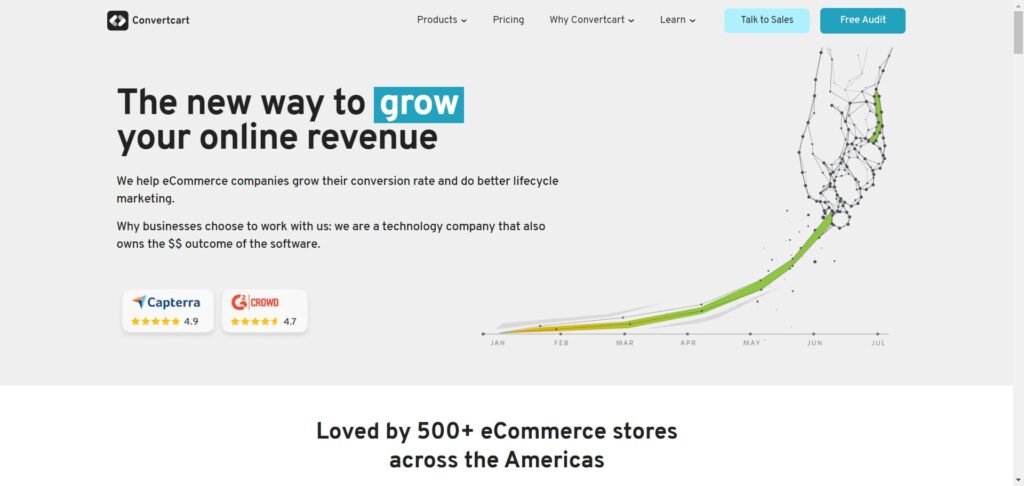
ConvertCart is an ecommerce growth platform and service focused on conversion rate optimization and managed email marketing. It is built for online stores on platforms such as Shopify, BigCommerce, Magento (Adobe Commerce) and WooCommerce.
Its approach centers on finding the bottlenecks that keep shoppers from buying, such as friction in product pages, navigation, checkout and cart recovery, and then testing improvements. The company says it uses AI and a large body of past A/B tests to guide recommendations.
ConvertCart also offers managed email marketing, including flows for abandoned carts, welcome series and post-purchase messages, so a store can improve onsite conversion and repeat purchases together.
This kind of managed service suits brands that want hands-on help instead of another dashboard to learn. As with any service, ask what is included, how success is measured and how results are reported.
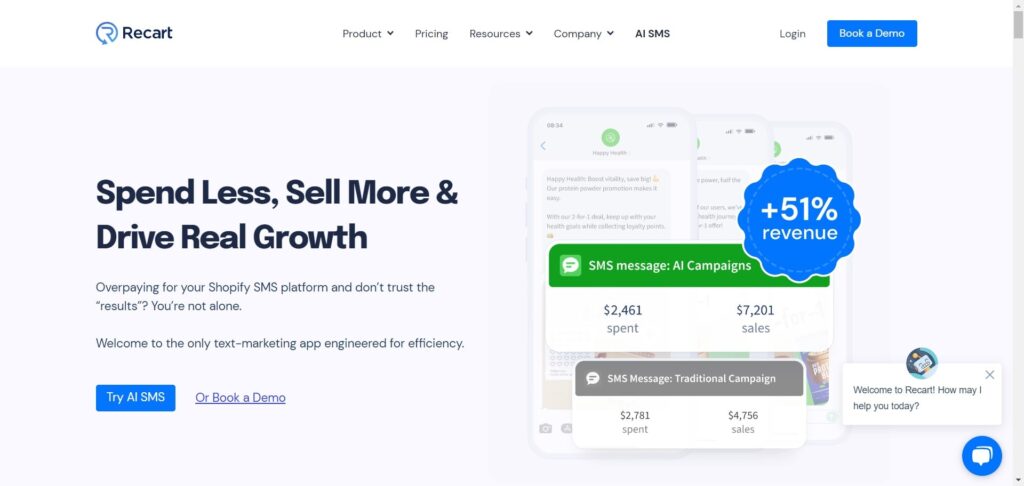
Recart is an SMS marketing platform built for Shopify stores. It focuses on growing your subscriber list and then using text messages to bring shoppers back to buy.
Earlier versions of this tool were known for Facebook Messenger marketing. That channel is no longer its focus, so if you read older reviews, be aware that they describe a different product. Today, SMS list growth, including opt-in popups designed to capture phone numbers, is the core of what Recart offers.
Recart integrates with Shopify, and the team also works with other ecommerce platforms, including BigCommerce, so check current compatibility with your store. Typical uses include abandoned cart and browse reminders, welcome messages and promotional campaigns.
Texting requires clear consent and compliance with carrier and legal rules. Look for a platform, like this one, that includes opt-in tools and guidance, and always honor opt-outs.
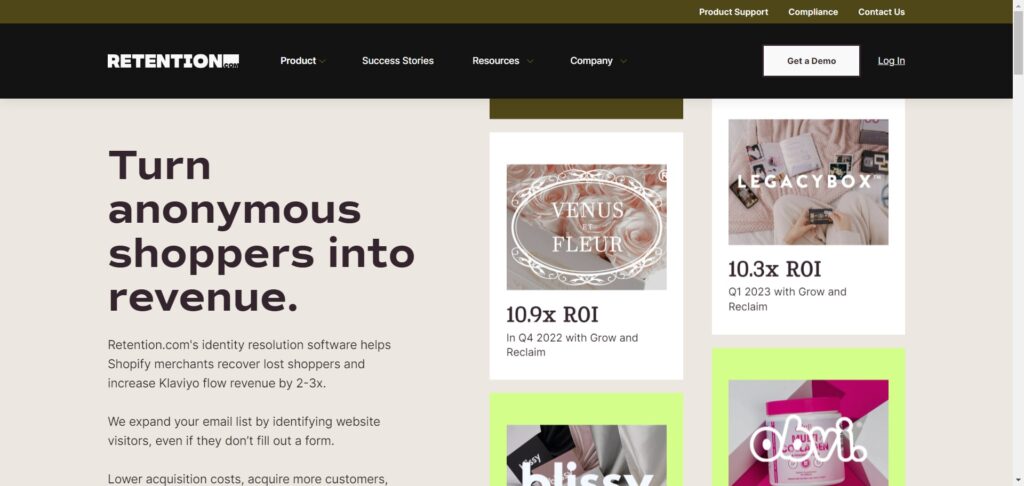
Retention.com is an identity data platform for ecommerce, publishers and retail. It focuses on recognizing anonymous website visitors and matching them to person-level data, so that businesses can follow up with people who showed interest but did not buy or subscribe.
For ecommerce brands, that can mean reaching shoppers who browsed products but left before giving their email address, usually through email flows triggered by that browsing activity.
This approach raises privacy questions. Laws such as GDPR and CCPA, along with browser and platform privacy changes, affect how identity data can be collected and used. Before you adopt a tool like this, review consent requirements for your audience, update your privacy policy and ask the vendor how it handles opt-outs.
Used responsibly, it can help recover revenue from traffic you already paid to attract.
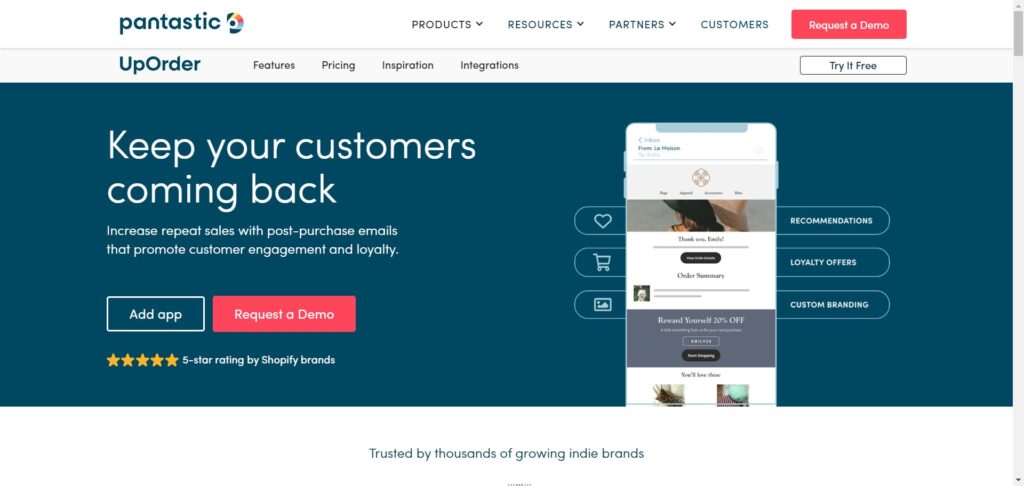
UpOrder is an app for Shopify stores that turns transactional emails, such as order confirmations and shipping updates, into a way to encourage repeat purchases.
Because these emails are opened far more often than typical promotions, adding product recommendations or a relevant offer can bring customers back without a separate campaign. The tool also includes analytics, so you can see how the emails perform.
This is a good example of conversion work that happens after the first purchase. Increasing repeat orders is often cheaper than winning new customers. Keep the messages helpful, relevant and clearly connected to the order.
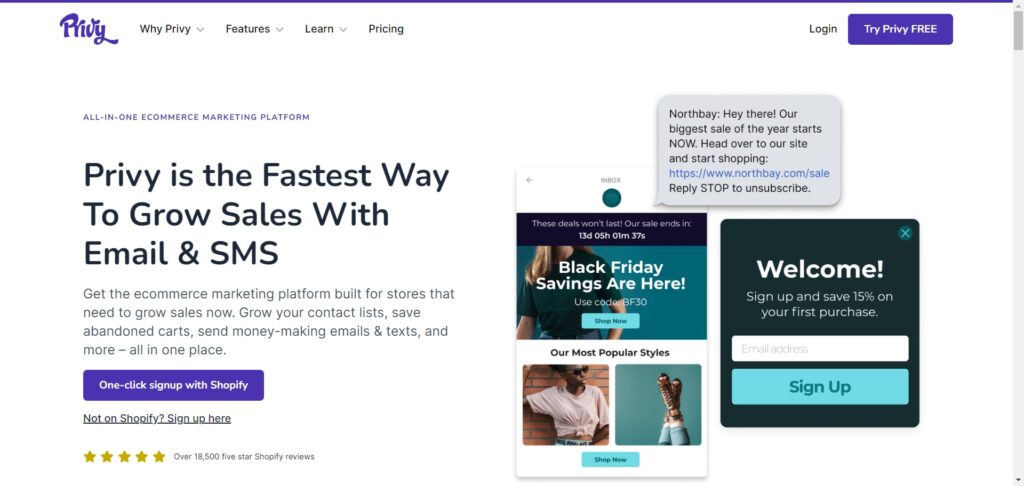
Privy is an email and SMS marketing platform for ecommerce businesses. It helps you grow your contact list with popups, banners and embedded forms, and then turn those contacts into revenue with automated campaigns.
Onsite displays can be targeted by visitor behavior, such as time on page, pages viewed or cart contents, so offers reach the right shoppers at the right moment. Automated flows, such as welcome series and abandoned cart reminders, follow up after a visitor signs up or leaves.
Privy connects with popular platforms, including Shopify, WooCommerce and BigCommerce, and provides reports on how displays and campaigns perform. It suits small and midsize stores that want list growth and messaging in one place.
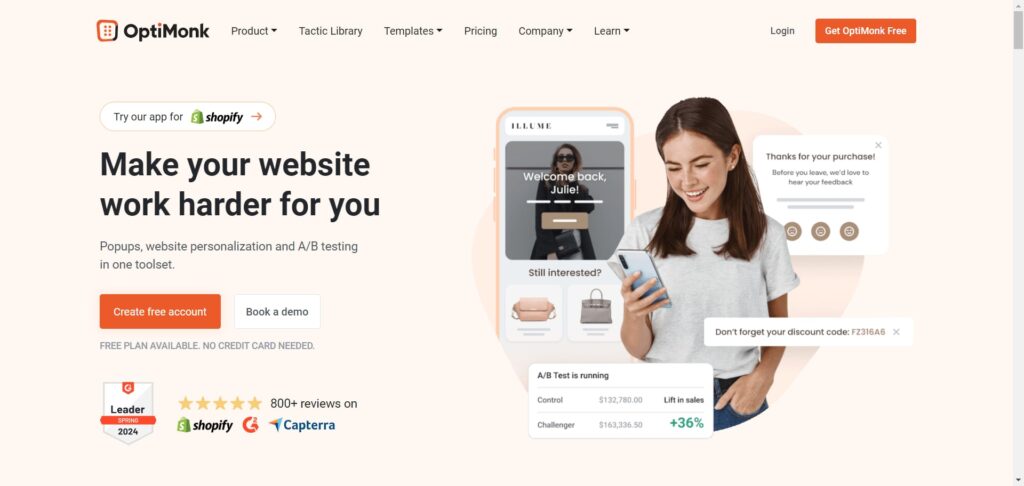
OptiMonk is a popup and onsite messaging platform that helps ecommerce businesses capture leads, personalize offers and test what works.
It lets you build popups, sticky bars and embedded elements, and show different messages to different segments of visitors, based on factors such as location, behavior and traffic source. The platform has added AI features that help create and test campaigns more quickly.
OptiMonk supports A/B testing so you can compare versions of a message and measure the impact on conversions. As with any popup tool, be careful not to interrupt visitors too aggressively, particularly on mobile, where intrusive popups can hurt both user experience and search performance.
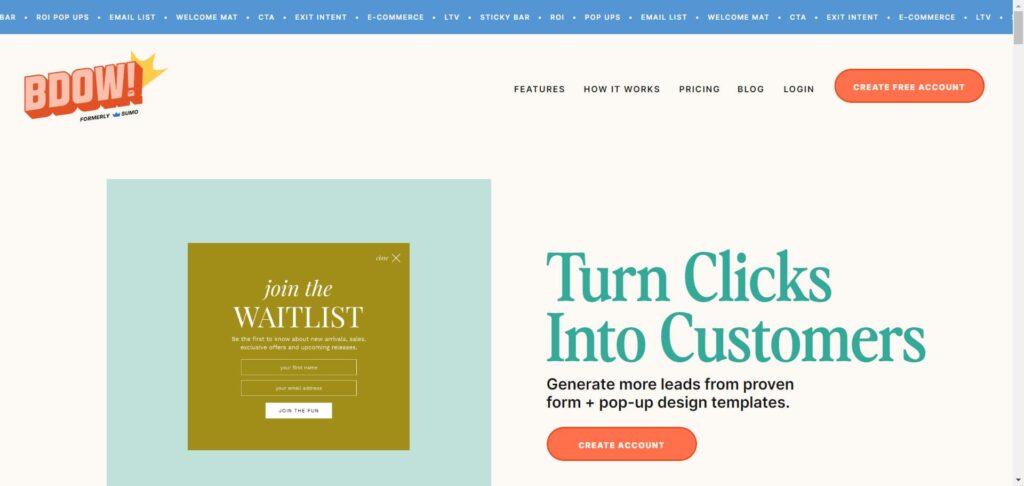
BDOW!, formerly known as Sumo, is an email capture tool that helps website owners turn visitors into subscribers and customers. Sumo is no longer sold under its old name. It was acquired by Showit and rebuilt as BDOW!, so if you see older recommendations for Sumo, this is the current version.
The tool offers customizable popups, forms and countdown timers that you can place on your site to collect email addresses and promote offers. A free plan has been part of its appeal for small sites, but check the current plan details on the vendor’s website.
It is a simple option for businesses that want to start building an email list without a large investment, and it integrates with Showit sites in particular.
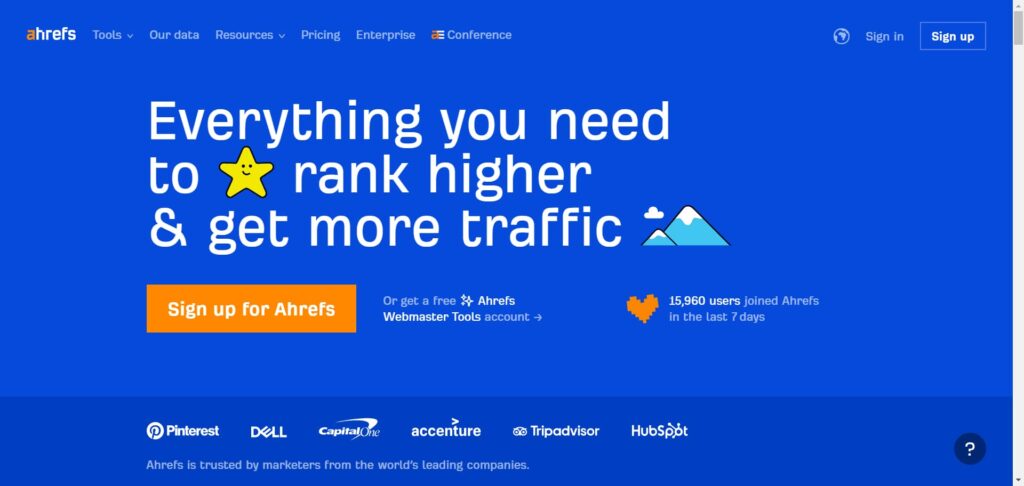
Ahrefs is an SEO toolset. It is not a CRO tool in the strict sense, but it supports conversion work because it helps you bring in the right traffic and fix technical issues that frustrate visitors.
Its Site Audit tool finds problems such as broken links, page errors and slow-loading pages. Fixing those makes a site easier to use, which supports conversions.
Ahrefs also provides keyword research, so you can find search terms that match what buyers are looking for, and backlink analysis to see how competitors earn links. Rank tracking lets you monitor how your pages perform over time.
Use it to attract visitors with real buying intent, then use your CRO tools to turn them into customers.

Google Trends is a free tool from Google that shows how interest in search terms rises and falls over time and across regions.
You can use it to spot rising queries in your industry, compare the popularity of different search terms, identify seasonal patterns and see geographic differences in demand. That helps you time promotions, choose which products to feature and decide which topics to write about.
The data can also guide keyword choices and ad copy, so your campaigns match what people are searching for right now. Trends shows relative interest, not exact search volume, so pair it with other keyword tools for planning.
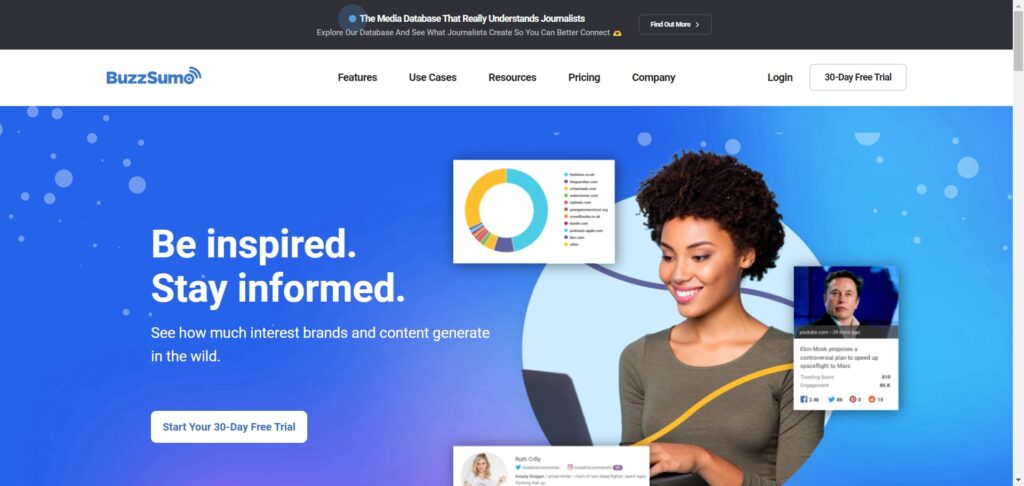
BuzzSumo is a content research and discovery platform. It supports conversion work by showing what content resonates with audiences.
It can analyze which topics and formats earn engagement and links across the web and social media platforms, so you can create content that attracts visitors who are more likely to convert.
BuzzSumo also offers tools to find influencers and journalists, which helps with outreach and partnerships, and it lets you track competitors’ content to find gaps you can fill.
Use it to plan content that supports your funnel, then measure the results in your analytics.
Match the tool to the problem you are trying to solve
With ten options, it helps to start from the problem, not the product. Different tools solve different parts of the funnel:
- Not enough qualified traffic: Ahrefs, Google Trends and BuzzSumo help you find what customers search for and read.
- Visitors leave without joining your list: Privy, OptiMonk and BDOW! focus on capturing emails and phone numbers.
- Shoppers add to cart but do not buy: Recart, Privy and Retention.com help you follow up, while ConvertCart helps you find the friction in the buying process.
- Customers buy once and disappear: UpOrder and the email and SMS tools above help bring them back.
Before you buy, check how each tool integrates with your store, whether it handles consent and unsubscribes properly, how it affects page speed and what the pricing model looks like as your list and traffic grow. Run a trial, set a clear goal and measure the result against your baseline for long enough to be meaningful.
 184% Increase in revenueWomen's Golf Apparel Brand Expands Revenue by 184%See the case study →
 465% Increase in ROASPremium Furniture Retailer Improves ROAS by 6xSee the case study →
Get help choosing and using the right CRO tools
Want to improve your ecommerce conversion rate? SmartSites is a digital marketing partner that can help you decide which tools fit your store and how to use them.
If you are not sure where to start, or you need help with other essentials such as marketing, web design, SEO and email and SMS marketing, our team can build a plan around your goals.
We focus on proven strategies and reliable execution to increase traffic, customer acquisition and sales.
Reach out to our experts today to see how SmartSites can improve your ecommerce performance. Call us at 201-870-6000 or use our online form to get started.
“I wholeheartedly trust Camille's expertise within Klaviyo, email marketing, and really getting to know the brands she works with!”
 Breanna EatonPink Stork