
 Clutch
 G2
G2
Choosing the right platform can make the difference between a struggling online store and a thriving one. The ecommerce landscape keeps changing, with shoppers browsing on phones, buying across social media and marketplaces, and using AI tools to find products. Whether you run a small boutique or a large enterprise, the best platform is the one that fits your products, your team and your goals.
Below are seven ecommerce platforms and six tools that add to a store. The platforms run your store. The tools handle jobs such as promotions, surveys, analytics and shipping around it.
Seven ecommerce platforms and six tools worth knowing
| 1. Shopify | 2. Wix | 3. Shift4Shop |
| 4. BigCommerce | 5. Ecwid | 6. CoreCommerce |
| 7. Square Online | 8. Abra | 9. Fairing |
| 10. Triple Whale | 11. Hotjar | 12. GoDataFeed |
| 13. Route |
Each section covers key features, pros, cons and who the option suits best. Look at your budget, your product catalog, how you sell today and where you want to sell next, then match those needs to the options below.
Platforms that run your online store

Shopify is one of the most widely used ecommerce platforms in the US. It is an all-in-one platform that lets you build and manage an online store without much technical work.
Its mix of features, user-friendliness and versatility makes it stand out. Professionally designed themes and an easy editor make it accessible even to newcomers, and the app store extends it as you grow.
Shopify comes with the core tools stores need: product and inventory management, many payment options, multiple sales channels and a checkout built for conversions.
Pros:
- User-friendly interface
- Large theme and app library
- Strong marketing tools and social selling integrations
Cons:
- Transaction fees if you use a third-party payment processor instead of Shopify Payments
- Paid apps can add up
- Deep customization usually requires technical expertise
Who should use it? Small and medium-sized businesses that want an easy-to-use, all-in-one solution could benefit from Shopify. With its extensive app store, API and advanced and enterprise-level plans, the platform can also scale with your inventory and order management needs.
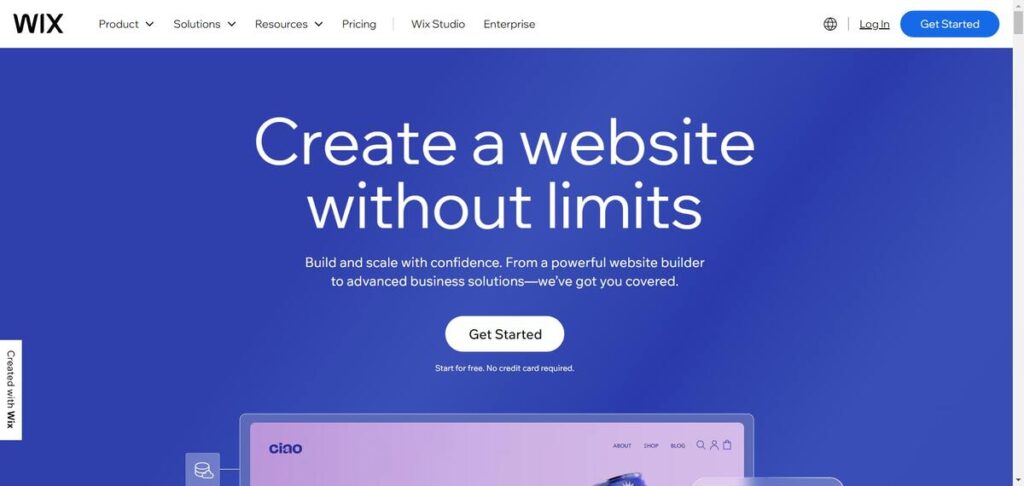
Wix is a good fit for startups that want to get online quickly and affordably. Its intuitive drag-and-drop builder makes creating a professional-looking store simple.
Wix started as a website builder and added ecommerce features, so stores with complex needs may require paid apps to fill the gaps.
Pros:
- Quick setup
- Affordable to start
- User-friendly for beginners
Cons:
- Not ideal for complex ecommerce needs
- App Market fees can accumulate
- Selling online requires a paid ecommerce plan
Best for small businesses that value simplicity and speed, particularly startups that need an easy, professional online store.

Shift4Shop (formerly 3dcart) is an all-in-one platform with a website builder and built-in order management. It has a reputation for strong built-in SEO controls, including mobile-friendly themes and customizable metadata that can help a store rank.
Its pricing model has been a big draw for merchants who process payments with Shift4, so review the current terms before you commit.
Pros:
- Free-to-start model for eligible merchants
- Wide range of built-in features
- Comprehensive SEO tools
Cons:
- Free plan terms are tied to using Shift4 payments
- Customer service gets mixed reviews
- Some users find setup complex
Who should use it? Merchants who are comfortable using Shift4 payments and want strong built-in marketing and SEO features should consider Shift4Shop, especially if they focus on improving visibility and driving organic traffic.
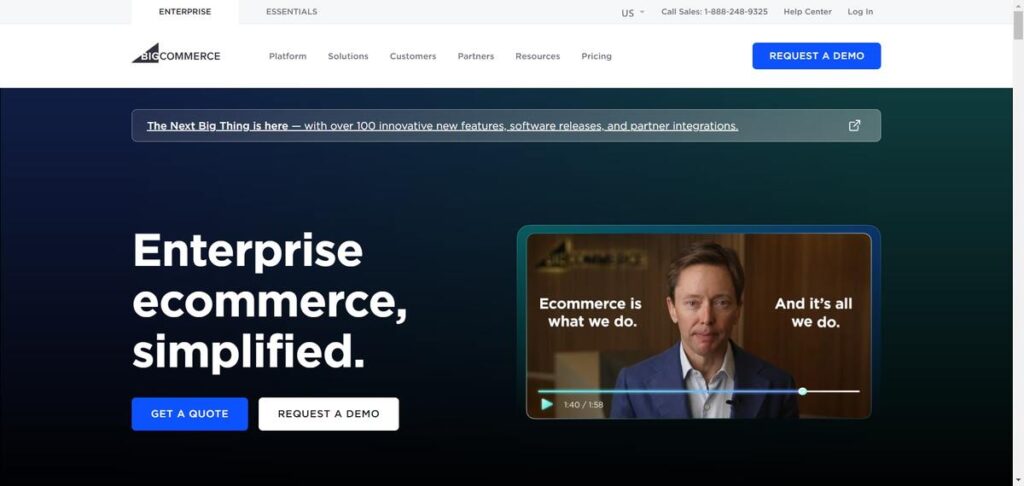
BigCommerce is an enterprise-capable ecommerce platform that simplifies site building and order management. In 2025, its parent company changed its name to Commerce.com, while BigCommerce remains the product name. It handles both B2B and B2C selling, with options for wholesale pricing, bulk pricing and B2B-oriented payment methods.
BigCommerce follows major security standards, and its bulk edit and product import and export tools are strong.
Pros:
- Strong focus on complex B2B needs
- Advanced built-in sales tools
- Secure, compliant platform
Cons:
- Advanced features may be more than many small businesses need
- Fewer free themes than some competitors
- Plans can include sales limits
Who should use it? Businesses involved in B2B sales, or those that need a platform that supports complex pricing and high-level product management, should consider BigCommerce.
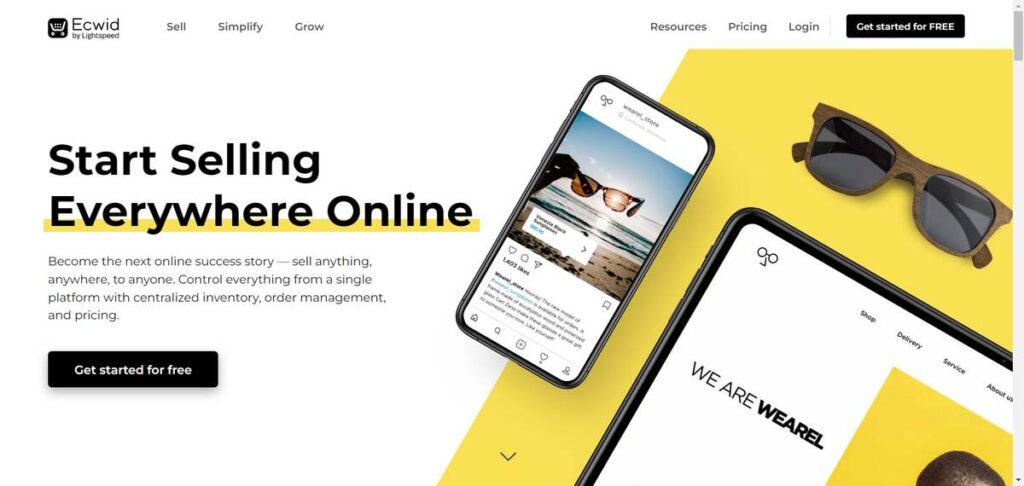
Ecwid, now part of Lightspeed, lets you add an online store to a site you already have, with centralized inventory and order management built in. It offers a free plan with limits on the number of products.
It is a strong omnichannel option. You set up one catalog and use it anywhere: on Ecwid’s own Instant Site, in a content management system such as WordPress, or on a custom-built website. It can also connect to marketplaces and social media selling channels, and it integrates with point-of-sale tools for selling in person.
Pros:
- Smooth connection between sales channels
- Centralized management of inventory and customer data
- User-friendly interface
Cons:
- Free plan limits the number of products
- Limited analytics and automation
- Advanced features often depend on the App Market
Who should use it? Businesses that want product and inventory management across channels, with a consistent experience online, on mobile and in-store, should consider Ecwid.
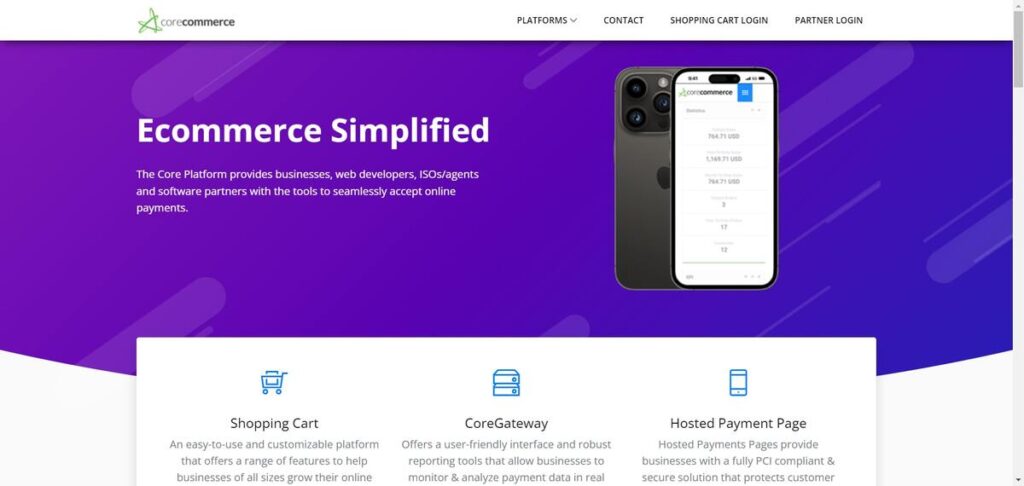
CoreCommerce is a straightforward hosted ecommerce solution with ready-to-use tools for setting up a shopping cart and accepting online payments.
It is a good choice if your business values data-driven decisions. Its reporting is a highlight, covering areas such as sales, taxes, affiliate statistics and search term reports.
Pros:
- Free trial available
- Strong reporting and analytics
- Feature variety suited to small businesses
Cons:
- Paid plans may limit product count
- Fewer integrations than larger platforms
- Check support for in-person sales if you need a point of sale
Who should use it? Businesses without extensive product catalogs that want a straightforward platform, or that value data analysis and insight, should consider CoreCommerce.
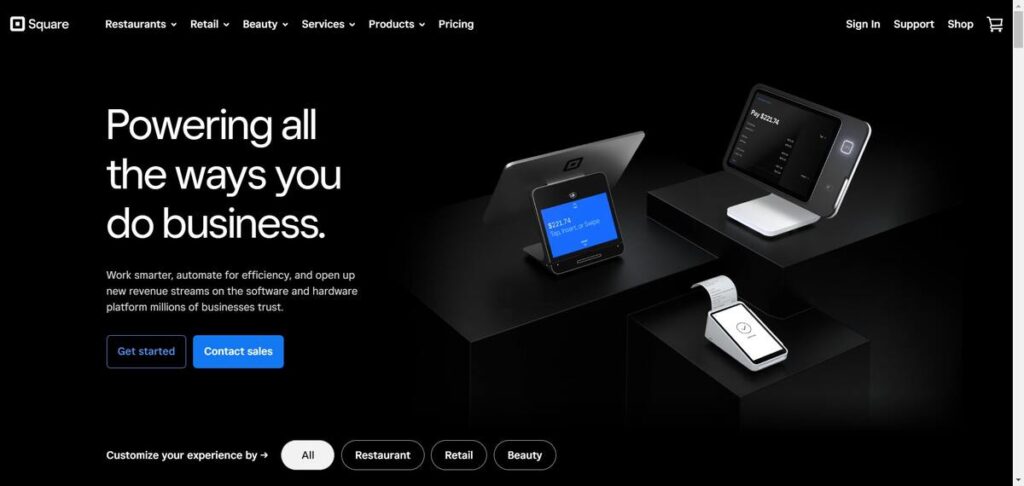
Square Online is built around businesses that sell both in person and online, letting you accept and manage orders from both within one system. It offers a quick setup, multiple fulfillment options, point-of-sale integration and mobile-friendly themes.
Much of Square’s value comes from using it in a physical store. There are plenty of ecommerce-only features, but you get less value if you do not use Square’s point-of-sale tools. Check which marketplace integrations it supports before you decide.
Pros:
- Quick setup and user-friendly interface
- Strong connection between physical and online stores
- A free plan to start
Cons:
- Fewer marketplace integrations than some platforms
- Strong focus on physical stores and point of sale
- Marketing add-ons can get pricey
Who should use it? Businesses with both an online and a physical presence will like the point-of-sale integration, and it is a good choice if other platforms feel too complicated.
 4306% Increase in conversionsWellness Supplement Brand Grows Conversions by 44xSee the case study →
 4424% Increase in organic conversionsComfort Footwear Brand Increases Conversions by 45xSee the case study →
Tools that help your store sell more
These tools do not replace your store platform. They add promotions, customer insight, analytics, product feeds and shipping support on top of it.
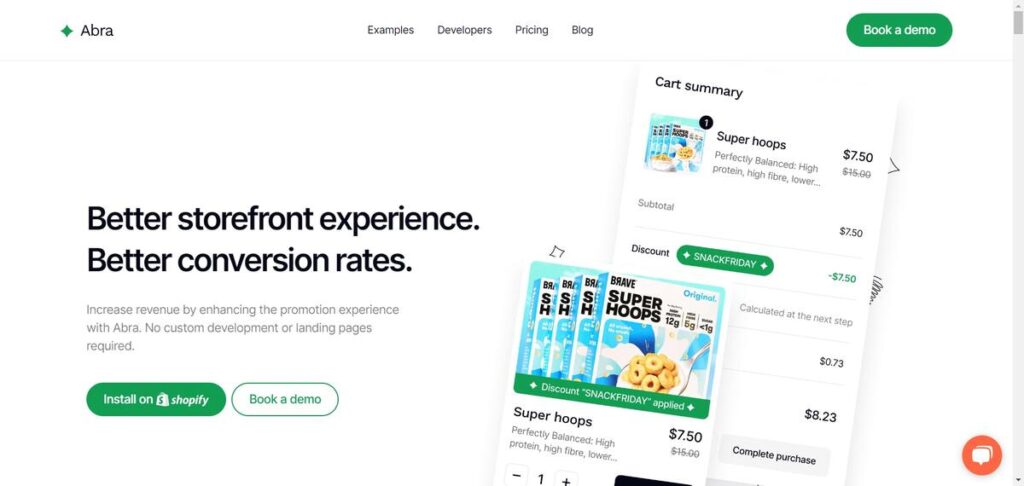
Abra is a promotions tool for online stores. It is not a store platform, but it helps merchants run discounts and offers, including automatically applied discounts, without making customers hunt for codes.
Key Features and Benefits:
- Helps run and manage store promotions
- Automatically applied discounts reduce friction at checkout
- Works alongside your existing store platform
Cons:
- Not a standalone store platform
- Compatibility depends on your store platform, so check before you commit
Abra is worth a look for stores that run frequent sales and want a smoother discount experience.
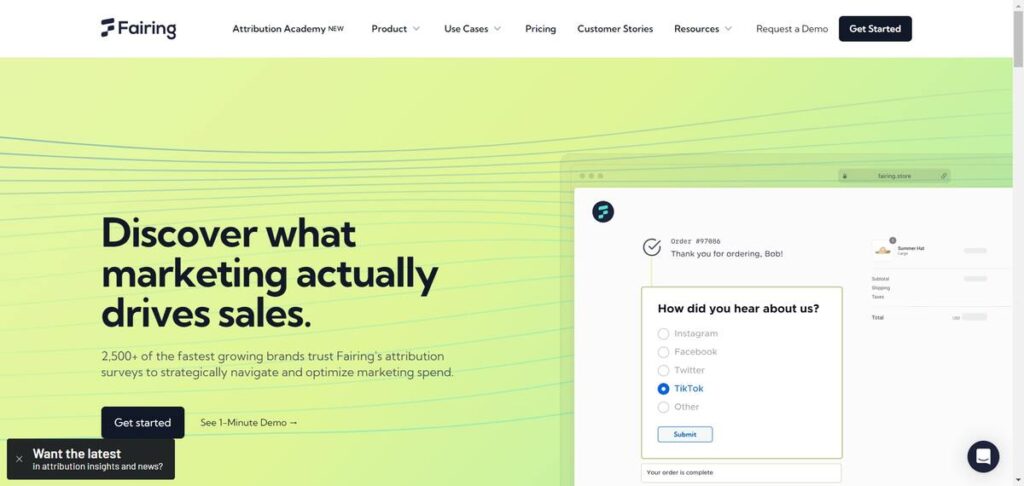
Fairing is a post-purchase survey tool. It asks customers how they found your store, which helps you understand which channels and campaigns actually drive orders. It is not a store platform.
Key Features and Benefits:
- Post-purchase surveys capture where customers heard about you
- Adds a customer-reported view to your attribution data
- Connects with common store platforms
Cons:
- Does not replace analytics or ad platform reporting
- Responses rely on customers answering the survey
Fairing is useful for brands that spend on several marketing channels and want to confirm what is working.
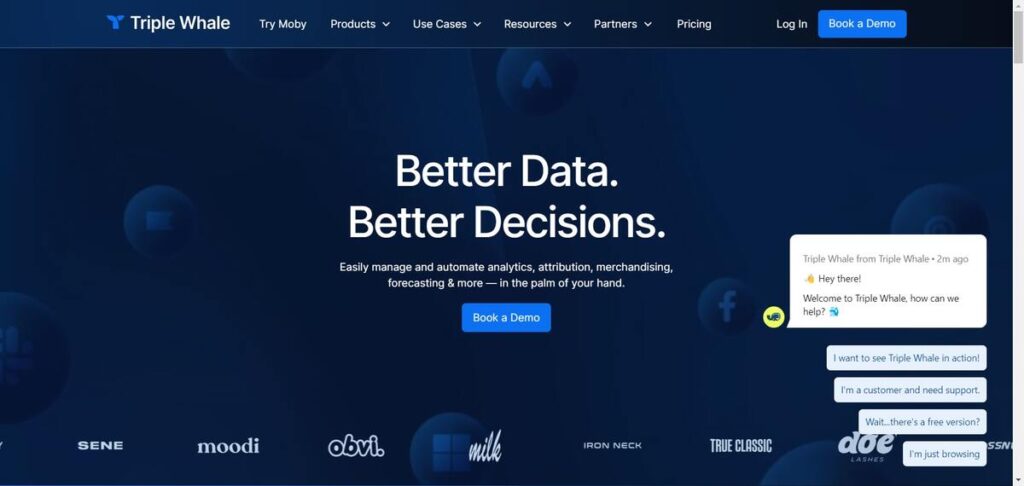
Triple Whale is an analytics and attribution platform for ecommerce brands. It pulls store, advertising and customer data into one place so you can see performance across channels. It is not a store platform.
Key Features and Benefits:
- Brings ad, store and customer data into one dashboard
- Attribution and reporting to guide marketing spend
- Built for online stores, especially those with larger ad budgets
Cons:
- Not a store platform
- May be more than a very small store needs
Triple Whale suits growing brands that spend on several ad channels and want one view of results.

Hotjar is a behavior analytics and feedback tool that helps businesses understand how visitors use their website. It plays a useful role in improving the user experience and conversion rates of online stores, though it is not an ecommerce platform.
Key Features and Benefits:
- Heatmaps and session recordings show how visitors interact with your pages
- Surveys and feedback tools capture what customers think
- Helps find friction points that hurt conversion rates
Cons:
- Does not provide product management or payments
- Works best alongside your store platform and analytics
Hotjar is recommended for businesses that want to improve website performance, find what blocks purchases and test improvements.
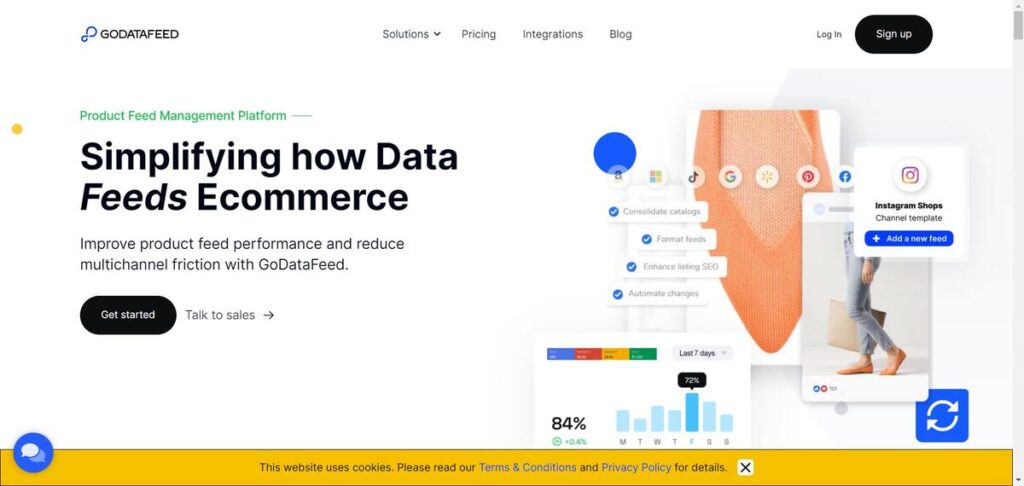
GoDataFeed is a product feed management platform that helps online stores keep product data accurate across Google Shopping, marketplaces and advertising channels. Clean product data matters more as Google and AI shopping tools rely on it to surface your products.
Key Features and Benefits:
- Tools to map, optimize and organize product data
- Automated feed updates across channels
- Reporting on how products perform by channel
Cons:
- Takes time to learn if you are new to feed management
- Cost can grow with the number of products and channels
GoDataFeed is good for stores that sell across several channels and want to keep their product listings consistent and visible.
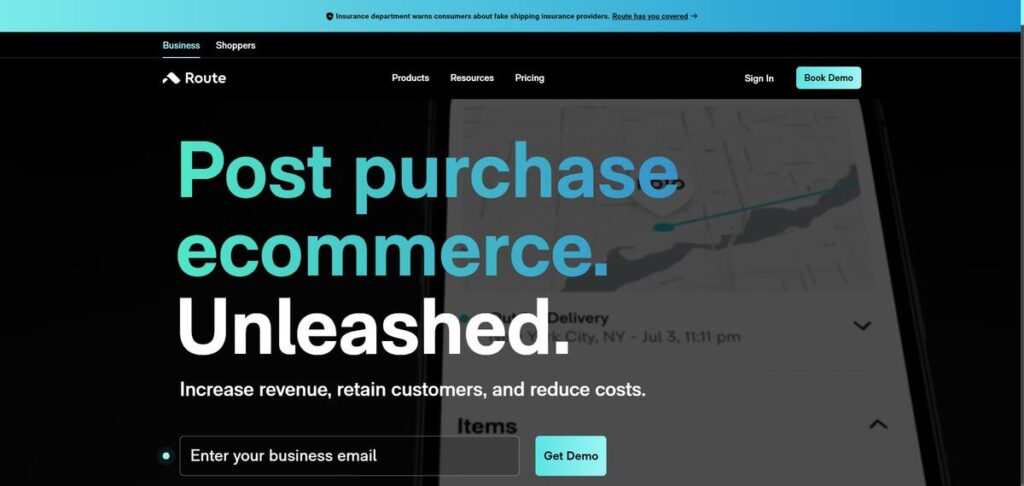
Route is a post-purchase tool for tracking orders and offering shipping protection. It gives customers a branded tracking experience and helps with claims for lost, damaged or stolen packages. It is not an ecommerce platform.
Key Features and Benefits:
- Order tracking and delivery notifications
- Shipping protection for lost, damaged or stolen packages
- Branded tracking pages to keep customers coming back
Cons:
- Focused on shipping and does not handle products or payments
- Needs to connect with your store platform
Route is a good fit for merchants that want to improve the post-purchase experience and reduce shipping-related support requests.
Let us help you pick and grow on the right platform
Not sure which platform fits your business? SmartSites helps businesses choose and use the right ecommerce solution for their products and goals.
Beyond ecommerce platforms, our team covers marketing, web design, SEO, email and SMS marketing and more. Get a Free Proposal by calling 201-870-6000 or using our online form.
“We are already seeing significant improvements to our site. We're confident that as we continue to collaborate and expand our efforts, the results will become even stronger.”
 Allen ChenAquasure